
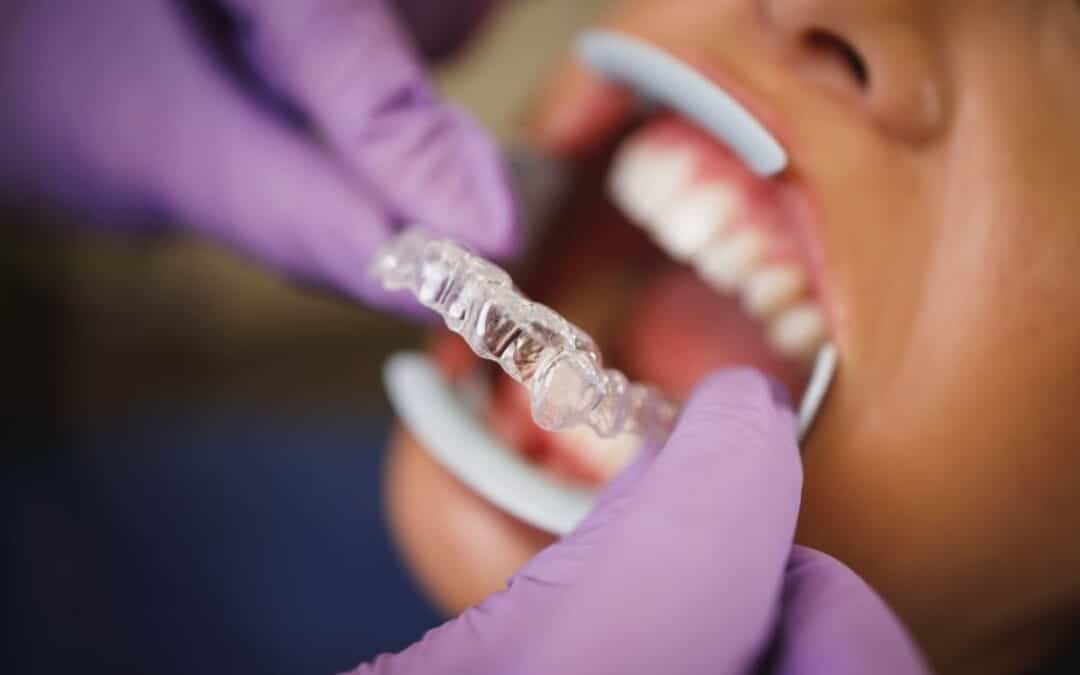
Invisalign has revolutionized the way people straighten their teeth in a smooth and convenient way alternative to traditional braces. However, like any other orthodontic treatments available, it’s not without its challenges. If you’re considering Invisalign or are currently undergoing the treatment you should understand these common problems associated with the treatment, which may help you prepare and navigate the process more smoothly. Here are eight issues you might encounter and how to address them.
“A recent industry survey reported that 52% of general dentists provide orthodontic treatment. Of those, 45% use clear aligners, and 19% use traditional braces with brackets.”
source:https://www.consumeraffairs.com/health/invisible-braces-and-invisalign-statistics.html
Here are 8 Common Problems With Invisalign
1. Discomfort and Soreness
It’s normal to experience some discomfort or soreness when you first start wearing Invisalign aligners or switch to a new set. This is a sign that your teeth are shifting, which is the desired outcome. However, the pressure can feel unpleasant for a few days, especially if your teeth are particularly sensitive.
Solution: Eating soft foods during the treatment period and applying cold compress can provide you relief. The soreness typically subsides as your mouth adjusts.
2. Difficulty Speaking
Invisalign aligners can initially affect your speech, causing a slight lisp or difficulty pronouncing certain words. This is due to the aligners’ presence in your mouth, which may feel foreign at first. For some, this may be particularly noticeable during presentations or conversations.
Solution: Practice speaking out loud to get used to the aligners. Most people find their speech returns to normal within a couple of days to a week.
3. Aligners Not Fitting Properly
Sometimes, Invisalign aligners may not fit snugly over your teeth, which can hinder progress. This issue often occurs when patients don’t wear their aligners for the recommended 20-22 hours per day or switch to a new set prematurely. Gaps between the aligners and your teeth can slow or prevent the desired tooth movement.
Solution: Use chewies—small rubber tools designed to help seat your aligners. If the problem persists, consult your orthodontist to check for fit issues or adjustments.
4. Excessive Salivation or Dry Mouth
Wearing aligners can lead to increased salivation as your mouth adjusts to the appliance. This is because your body may interpret the aligners as a foreign object. Conversely, some people experience dry mouth because the aligners can create a barrier that reduces saliva flow. Both conditions can be uncomfortable.
Solution: Stay hydrated by drinking plenty of water. If dry mouth becomes uncomfortable, consider using a mouth spray or rinse to alleviate the symptoms.
5. Hygiene Challenges
Invisalign requires diligent oral hygiene. Food particles and bacteria can get trapped between your teeth and the aligners, increasing the risk of cavities, bad breath, and gum issues. It can be particularly challenging to maintain cleanliness when you’re on the go or have a busy schedule.
Solution: Brush and floss your teeth after every meal before putting the aligners back in. Clean the aligners regularly using a soft toothbrush and lukewarm water or a designated Invisalign cleaning solution.
6. Lost or Broken Aligners
Aligners are lightweight and removable, making them prone to loss or damage if not handled carefully. Misplacing aligners or accidentally breaking them can disrupt your treatment timeline and cause unnecessary stress.
Solution: Always store your aligners in their case when you do not use them. If you lose or break the aligner contact your orthodontist immediately to determine the next steps.
7. Difficulty Removing Aligners
Some people find it challenging to remove their aligners, especially during the initial stages of treatment. This can make mealtimes and oral care more frustrating. Tight-fitting aligners, while effective, can sometimes feel difficult to manage.
Solution: Use your fingertips to gently pull down on the aligners from the back teeth, working your way forward. There are also removal tools available that can make the process easier. With practice, removing aligners becomes quicker and simpler.
8. Staining of Aligners
Aligners can become discolored if exposed to foods, drinks, or improper cleaning methods. This can make them more noticeable and less appealing, defeating the purpose of choosing a discreet orthodontic option like Invisalign.
Solution: Avoid consuming colored beverages like coffee, tea or wine while wearing aligners. Brush your teeth and rinse your aligners after eating or drinking anything besides water. Regularly clean the aligners to maintain their clarity.
Conclusion
While Invisalign offers numerous benefits, it’s important to be aware of these potential issues to ensure a smoother treatment journey. By following proper care routines and addressing challenges proactively, you can achieve the smile you’ve always wanted.
If you’re experiencing any of these problems or have questions about Invisalign, the team at Utica Dental is here to help. We specialize in providing personalized Invisalign treatment to help you achieve optimal results. Schedule a consultation today and let us guide you through your Invisalign journey!