
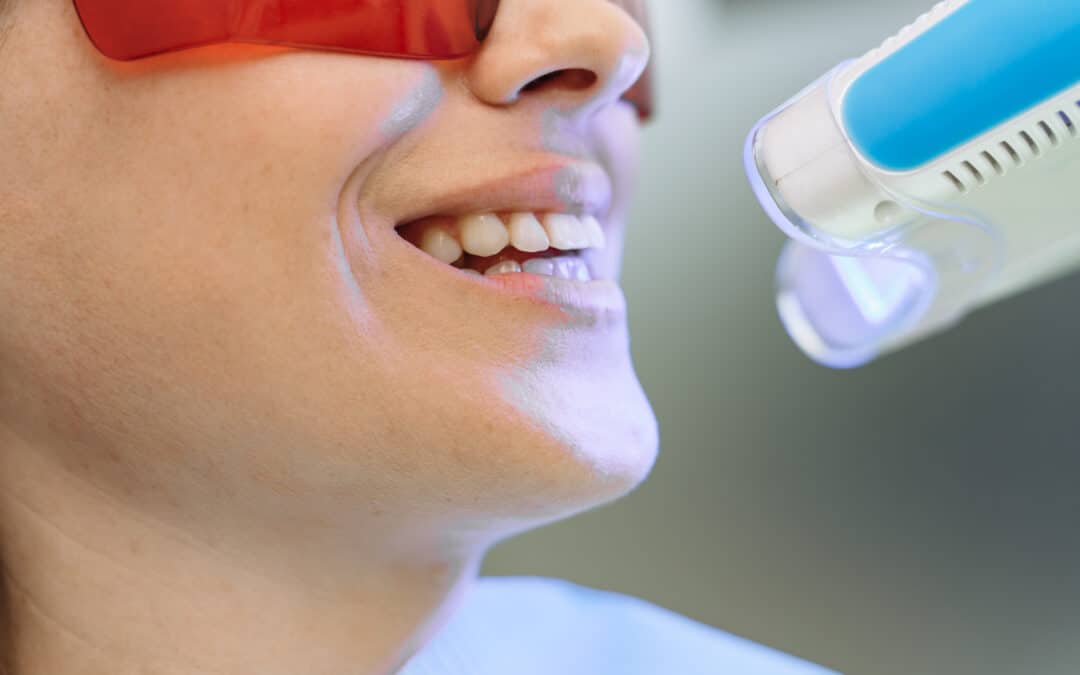
Have you ever looked in the mirror and thought, “I like my smile, but I wish I could change just a few things?”
Maybe your teeth are healthy, but years of coffee, tea, or red wine have left them looking dull. Maybe you have a small chip from an old accident. Or perhaps you have always wished your teeth were more even, symmetrical, or uniform.
The good news is that modern cosmetic dentistry offers several ways to refresh your smile. But with options like professional teeth whitening, cosmetic bonding, and veneers, figuring out where to start can feel overwhelming.
The right treatment isn’t necessarily the most expensive or dramatic option. It should be the one that fits your oral health, cosmetic goals, lifestyle, and long-term expectations.
Here’s how these three popular smile-enhancement options compare.
First Things First: Is Your Smile Healthy?
Before considering cosmetic dentistry, it’s important to make sure your teeth and gums are healthy.
Cavities, gum disease, cracked teeth, or other untreated dental problems may need to be addressed before cosmetic treatment begins. A comprehensive dental examination can help identify underlying issues and determine which cosmetic options are appropriate for you.
If you’re preparing for a wedding, family photos, a special event, or simply want to feel more confident when you smile, planning ahead is also important. Some treatments can be completed relatively quickly, while others require more detailed planning.
Teeth Whitening: Best for a Brighter Smile
If your biggest concern is tooth discoloration, professional whitening may be the simplest place to start.
Teeth naturally become darker over time. Coffee, tea, red wine, tobacco, certain foods, and the normal aging process can all contribute to staining.
Professional whitening can lighten many types of surface and deeper discoloration. However, whitening does not change the shape or position of your teeth.
Whitening may be a good option if you:
- Want a brighter overall smile
- Have stained or discolored natural teeth
- Are preparing for a special occasion
- Prefer a non-invasive cosmetic treatment
- Are happy with the shape and alignment of your teeth
One important consideration: dental restorations such as crowns, bridges, and veneers do not whiten like natural teeth. If you already have visible restorations, your dentist can help you plan treatment appropriately.
Cosmetic Bonding: A Simple Fix for Small Imperfections
Cosmetic dental bonding uses a tooth-colored composite material that is carefully shaped and polished to improve the appearance of a tooth.
It can be useful for certain minor cosmetic concerns, including:
- Small chips
- Minor gaps
- Slightly uneven tooth shapes
- Some discoloration concerns
Bonding is often a more conservative option than veneers because it may require little or no removal of natural tooth structure.
For someone who chipped a front tooth years ago or wants to make a subtle change without committing to a more extensive cosmetic treatment, bonding may be worth discussing with a dentist.
However, bonding isn’t indestructible. The material can eventually stain, chip, or wear, particularly if you bite your nails, chew hard objects, or have significant teeth grinding.
Veneers: A More Comprehensive Smile Transformation
Veneers are thin, custom-made coverings designed to improve the appearance of the visible surfaces of teeth.
Depending on the individual case, veneers may help address concerns involving:
- Tooth color
- Shape
- Size
- Minor spacing
- Certain alignment concerns
- Chipped or worn teeth
Veneers can create a more comprehensive change than whitening or bonding, but they also involve more planning and are a longer-term commitment.
Because treatment may involve altering some natural tooth structure, it’s important to have a detailed consultation before deciding on veneers.
Veneers may be worth considering if:
- You want to improve several cosmetic concerns at once
- Your teeth are healthy but have significant cosmetic imperfections
- You want a more uniform appearance
- Whitening alone won’t address your concerns
- You’re prepared to maintain your smile over the long term
Veneers vs. Bonding vs. Whitening: Quick Comparison
| Treatment | Best For | Invasiveness | Typical Longevity | Changes Tooth Shape? |
|---|---|---|---|---|
| Professional Whitening | General discoloration | Minimal | Requires periodic touch-ups | No |
| Cosmetic Bonding | Small chips and minor imperfections | Conservative | Several years with proper care | Yes |
| Veneers | More comprehensive cosmetic changes | More involved | Long-term with proper care | Yes |
Treatment suitability and longevity vary from patient to patient. Your dentist can recommend the most appropriate option after evaluating your teeth and gums.
So, Which Smile Upgrade Is Right for You?
A helpful way to narrow down your options is to ask yourself what bothers you most.
“My teeth are healthy, but they’re too yellow.”
→ Professional whitening may be a good starting point.
“I chipped one of my front teeth.”
→ Cosmetic bonding may provide a conservative solution.
“I don’t like the color, shape, and overall appearance of several teeth.”
→ Veneers may be an option worth discussing.
“I want a dramatic change before an important event.”
→ Start your consultation early. Your dentist can explain what treatments are realistic within your timeline.
Remember, cosmetic dentistry should not be about chasing a “perfect” smile. The best results typically look natural and complement your facial features, personality, and overall appearance.
Why a Personalized Consultation Matters
There is no one-size-fits-all cosmetic treatment.
Two people with similar-looking teeth may need completely different approaches because of differences in enamel, bite, gum health, tooth structure, or existing dental work.
At Utica Dental of Tulsa, Dr. Matthew E. Walker and the dental team can evaluate your smile and discuss cosmetic options based on your individual needs and goals.
Dr. Walker has pursued continuing education in areas including cosmetic veneers, cosmetic reconstruction, dental implants, laser gum therapy, and Invisalign®. His continued focus on advanced dental education supports a comprehensive approach to evaluating both the health and appearance of a patient’s smile.
Before moving forward with any cosmetic procedure, ask questions, understand your options, and make sure you know what maintenance will be required.
Frequently Asked Questions
1. Is teeth whitening better than veneers?
Neither is universally better. Whitening is typically best for natural tooth discoloration, while veneers can address a wider range of cosmetic concerns involving color, shape, and appearance. Your dentist can help determine which option fits your goals.
2. How long does cosmetic bonding last?
Bonding can last for several years, but longevity depends on factors such as your bite, oral hygiene, eating habits, and whether you grind or clench your teeth. Regular dental visits can help monitor the condition of bonded teeth.
3. Are veneers permanent?
Veneers are considered a long-term cosmetic treatment, but they may eventually need replacement. Depending on the type of veneer and your individual treatment plan, some natural tooth structure may need to be altered.
4. Can I whiten my teeth if I have veneers or crowns?
Whitening products generally only lighten natural tooth structure. Veneers, crowns, and other restorations typically do not change color with whitening. Your dentist can help you plan cosmetic treatment so your smile looks consistent.
5. How do I know which cosmetic dental treatment is right for me?
The best starting point is a comprehensive dental evaluation. Your dentist can assess your teeth, gums, bite, existing restorations, and cosmetic goals before recommending whitening, bonding, veneers, or another treatment.
Trusted U.S. Dental Resources
For reliable information about oral health and dental care, patients can also explore resources from reputable organizations, including:
- American Dental Association (ADA) — Patient-focused information on oral health, dental treatments, and finding dental care.
- National Institute of Dental and Craniofacial Research (NIDCR) — The federal government’s leading research organization for dental, oral, and craniofacial health.
- Centers for Disease Control and Prevention (CDC) – Oral Health — Evidence-based information about oral health and disease prevention.
- American Academy of Cosmetic Dentistry (AACD) — Resources focused on cosmetic dental procedures and the field of cosmetic dentistry.
Ready to Explore Your Smile Options?
Whether you want a subtle improvement or a more noticeable transformation, cosmetic dentistry should start with a conversation—not a commitment.
If you’re considering veneers, cosmetic bonding, or professional teeth whitening, the team at Utica Dental of Tulsa can help you understand your options and determine which approach may be appropriate for your smile.
Call Utica Dental of Tulsa at +1 918-673-2601 to schedule a consultation.