
Eight weeks sounds like plenty of time — and it is, if you start now. Your wedding is in 8 weeks, and here’s your whitening timeline in Tulsa to help you plan every step. Dr. Matthew E. Walker and the team at Utica Dental of Tulsa work with brides, grooms, and wedding guests every season. A little planning goes a long way toward a confident, camera-ready smile.
Teeth whitening is not a one-appointment fix. Getting the best results safely takes a structured approach. This guide walks you through exactly what to do, week by week, from your first visit to the moment you say ‘I do.’
Why Timing Your Whitening Appointment Matters in Tulsa
Many people assume they can whiten their teeth the week before the wedding. That approach rarely delivers the results you want. Professional whitening treatments work best when your teeth have time to stabilize between sessions. Rushing the process can also lead to temporary sensitivity that dampens your big-day experience.
Starting eight weeks out gives your enamel time to respond well. It also leaves room for a touch-up session closer to the event. At Utica Dental of Tulsa, we factor in your natural tooth shade, any existing restorations, and your sensitivity history before recommending a treatment plan. That personalized approach is part of what makes Cosmetic Dentistry Tulsa patients trust us with their most important occasions.
Here is what you should keep in mind before booking:
- Professional whitening is significantly stronger than over-the-counter products
- Results vary based on your natural enamel and existing stains
- Crowns, veneers, and bonding do not whiten with bleaching agents
- Sensitivity is common but manageable with the right protocol
- A cleaning before whitening always improves final results
Your Week-by-Week Whitening Timeline — 8 Weeks Out
Weeks 8–7: Consultation and Cleaning
Start with a consultation appointment. Dr. Walker will examine your teeth, assess your current shade, and discuss your goals. This visit is also a great time to address any cavities or gum concerns before whitening begins. Whitening over untreated decay can worsen sensitivity and damage tooth structure.
Schedule a professional cleaning during week 7 if you are not current on your routine visit. Clean teeth absorb whitening agents more evenly. General Dentistry Tulsa services at Utica Dental include thorough cleanings that set the perfect foundation for cosmetic treatment.
Weeks 6–5: In-Office Whitening Session
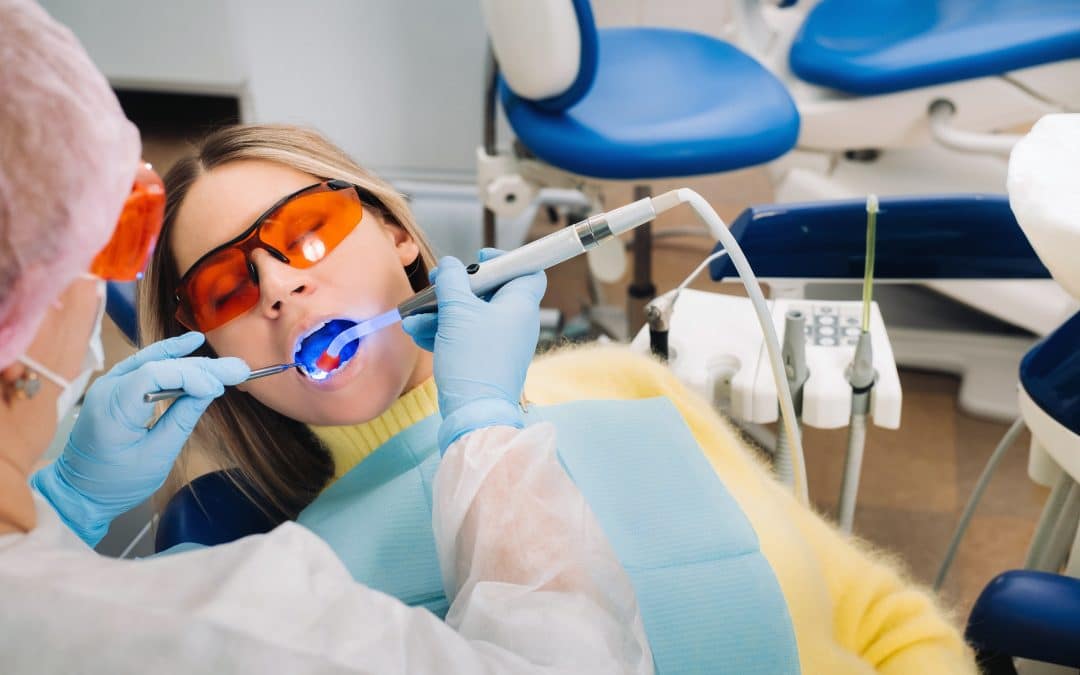
This is when the transformation begins. We typically recommend an in-office whitening treatment during weeks 6 or 5. The procedure uses a professional-grade bleaching gel activated by a special light. Most patients see their teeth brighten by several shades in a single session. The appointment usually takes about an hour.
Weeks 4–3: At-Home Tray Whitening
After your in-office session, we provide custom-fitted whitening trays. You use these at home with a professional-strength gel for one to two weeks. Custom trays cover every surface evenly and minimize contact with your gums. This phase locks in and extends the results from your in-office treatment.
Week 2: Rest and Stabilize
Give your teeth a break during week 2. Your enamel needs time to reharden after bleaching. Avoid heavily pigmented foods and drinks like coffee, red wine, and berries. Use a sensitivity toothpaste daily to keep discomfort minimal. Your smile should be looking noticeably brighter by now.
Week 1: Touch-Up if Needed
One week before the wedding, you can do a brief touch-up with your at-home trays. Even just one or two short sessions can refresh your results. Do not overdo it — more is not always better. One targeted session is typically all you need to make your smile pop in photos.
Foods and Habits to Avoid During Your Whitening Period
What you eat and drink during these eight weeks directly affects your results. Certain foods and habits can undo the progress you have worked toward. Being mindful of your diet during the whitening window makes a measurable difference.
Here are the key things to limit or avoid:
- Coffee and tea: Both stain enamel quickly, especially after whitening
- Red wine: Pigments penetrate porous enamel faster post-treatment
- Tomato-based sauces: Acidic and deeply pigmented
- Dark berries: Blueberries, blackberries, and cherries can stain
- Tobacco products: Smoking and chewing tobacco significantly reverse whitening progress
- Sports drinks and sodas: Acidic beverages weaken enamel and increase sensitivity
When you do consume staining foods, rinse your mouth with water immediately after. Using a straw for cold beverages also reduces direct contact with your teeth. Small habits create big differences over eight weeks.
What to Do If You Have Sensitivity During Treatment
Some sensitivity during whitening is completely normal. Your nerve endings respond to the bleaching agents, causing temporary discomfort. For most patients, this resolves within 24 to 48 hours after each treatment session. It does not mean anything is wrong.
Dr. Walker recommends using a sensitivity-formulated toothpaste throughout the whitening process. Brands with potassium nitrate or stannous fluoride help calm the nerve response. You can also apply a small amount of the whitening gel to your trays with no bleach — this is called a desensitizing cycle.
If sensitivity feels severe or lasts more than 48 hours, contact our office. We can adjust your treatment schedule or recommend an alternative approach. Your comfort matters as much as your results, especially heading into wedding season.
Conclusion: Start Your Whitening Journey Today
Eight weeks is the ideal runway for a stunning, confident smile on your wedding day. The key is not to wait. Every week you delay shortens the window for optimal results. Dr. Walker and the Utica Dental of Tulsa team are here to guide you through every step of the process. Book Now to schedule your appointment with our team.
Frequently Asked Questions
How long does professional teeth whitening last?
Professional whitening results typically last between one and three years, depending on your diet and oral hygiene habits. Touch-up treatments every six to twelve months help maintain brightness. Avoiding staining foods and beverages extends your results significantly.
Is teeth whitening safe if I have sensitive teeth?
Yes, whitening can be done safely even with sensitive teeth. Dr. Walker will adjust the concentration of the bleaching agent and the treatment schedule to match your sensitivity level. Using desensitizing toothpaste before and during treatment also helps minimize discomfort.
Can I whiten my teeth if I have crowns or veneers?
Bleaching agents do not change the color of crowns, veneers, or bonding material. If you have visible restorations, Dr. Walker will discuss your options during your consultation. In some cases, replacing or adjusting restorations after whitening can create a more uniform smile.
How many shades whiter can I expect from professional whitening?
Most patients achieve between four and eight shades of improvement with professional treatment. Results vary based on the original tooth color and the type of staining present. Intrinsic stains from medications or fluorosis may respond differently than surface stains from food and drink.
Should I whiten before or after other cosmetic treatments?
Always whiten before procedures like bonding, veneers, or crown placement. This ensures the restorations are matched to your whitened shade for a seamless appearance. Dr. Walker will help you sequence your cosmetic treatments in the right order during your consultation.