
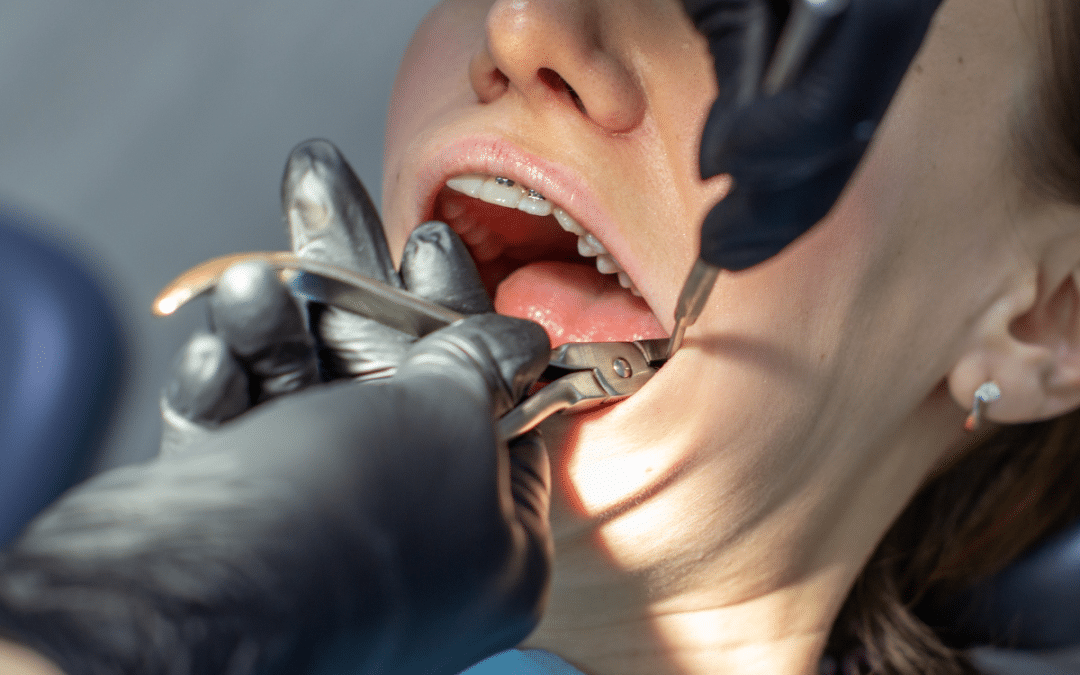
Your teeth look clean, your breath feels fresh, and nothing hurts. So, do you really need a dental checkup?
Here’s the catch: some dental problems can develop without obvious pain or visible warning signs. Cavities, early gum disease, and damage beneath the tooth surface may go unnoticed until they become more complicated to treat.
For families and working professionals in Tulsa, skipping a dental visit because everything feels fine can be an easy habit to fall into. But a routine examination can help identify concerns early, before they interfere with eating, sleeping, or everyday life.
At Utica Dental of Tulsa, Dr. Matthew E. Walker and Dr. Brian Gosnell provide preventive and general dental care to help patients maintain healthy teeth and gums. Here’s what an examination might reveal, even when your smile appears perfectly normal.
5 Hidden Dental Problems Your Dentist May Find
1. Cavities You Can’t See or Feel
Not every cavity starts with a toothache. Tooth decay can develop in areas that are difficult to inspect at home, including between teeth and beneath existing dental restorations.
By the time you notice sensitivity or pain, the decay may have progressed beyond its earliest stage.
A dental examination helps identify suspicious areas, while X-rays may be recommended when needed to evaluate places that aren’t visible during a regular visual inspection.
2. Early Gum Disease Without Obvious Symptoms
Do your gums look normal? That doesn’t always mean they’re healthy.
Gum disease can begin with plaque buildup along the gumline. Early signs may include redness, swelling, or bleeding, but some people don’t recognize these changes as a problem.
According to the National Institute of Dental and Craniofacial Research, untreated gum disease can damage the tissues and bone supporting your teeth.
During a checkup, your dental team can examine your gums for inflammation, measure the spaces around your teeth when appropriate, and recommend treatment if necessary.
3. Cracks and Worn-Down Teeth
You might not remember biting anything hard or injuring a tooth. Nevertheless, small cracks and excessive tooth wear can develop over time.
Grinding your teeth, clenching your jaw, or repeatedly putting pressure on certain teeth may contribute to damage. Some cracks are difficult to detect without a professional examination.
Your dentist can look for unusual wear patterns, damaged restorations, and other signs that a tooth needs attention before the problem becomes more serious.
4. Old Fillings That Need Attention
A filling can last for years, but it won’t necessarily last forever.
Existing fillings may wear down, fracture, or develop problems around their edges. Sometimes, decay can develop near a previously treated area.
This doesn’t mean every old filling needs replacement. Instead, your dentist can assess its condition and recommend monitoring, repair, or replacement when clinically appropriate.
5. Changes Inside Your Mouth That Need Further Evaluation
Routine dental visits aren’t just about teeth. Your dentist also examines the soft tissues of your mouth for unusual changes.
Persistent sores, unexplained patches, lumps, or other abnormalities may need further evaluation. These findings don’t automatically indicate something serious, but they shouldn’t be ignored.
An oral examination can help identify changes that warrant closer attention and, when necessary, referral for additional testing.
What Can a Dental Checkup Reveal?
Here’s a quick look at what your dental team may assess during a routine visit.
| What is examined | What your dentist may identify |
|---|---|
| Teeth | Cavities, cracks, and unusual wear |
| Gums | Inflammation, bleeding, or signs of gum disease |
| Existing fillings | Wear, damage, or concerns around restorations |
| Bite and tooth alignment | Uneven wear or other functional concerns |
| Soft tissues | Unusual changes that may require further evaluation |
| Dental X-rays, when indicated | Problems beneath the surface that aren’t visible during a visual exam |
Not every patient needs the same tests. Your dentist will recommend an examination and any imaging based on your oral health, symptoms, history, and individual risk factors.
Why Waiting Until Something Hurts Can Backfire
Pain is not always an early warning sign of a dental problem.
A small cavity may require a relatively simple filling, while more advanced decay could require more extensive treatment. Similarly, gum problems can progress if they’re left untreated.
That doesn’t mean every unnoticed issue will become serious. It means waiting for pain isn’t a reliable way to decide whether your teeth and gums are healthy.
If you’ve been postponing a checkup because your teeth feel fine, scheduling an examination can give you a clearer picture of your oral health.
For anyone looking for a dentist in Tulsa, regular preventive visits can also help establish a record of changes over time, making it easier for the dental team to identify concerns and recommend appropriate care.
How to Protect Your Teeth Between Visits
Professional examinations work best alongside a consistent home-care routine.
- Brush twice daily for two minutes with fluoride toothpaste.
- Clean between your teeth every day using floss or another suitable interdental cleaner.
- Limit frequent sugary snacks and drinks.
- Avoid using your teeth to open packages or bite hard objects.
- Contact your dental office if you notice persistent sensitivity, bleeding gums, swelling, or a change in a tooth.
- Follow the checkup schedule recommended for your individual needs.
The American Dental Association recommends regular dental visits for prevention and treatment, with the frequency tailored to each person’s oral health needs.
When Should You Schedule a Dental Examination?
You don’t have to wait for a toothache to make an appointment. If it’s been a while since your last checkup, or you have questions about your gums, fillings, or tooth sensitivity, a dental evaluation is a sensible next step.
At Utica Dental of Tulsa, Dr. Matthew E. Walker earned his Doctor of Dental Surgery degree from the University of Oklahoma, graduating with honors in 2001. He has continued his professional education with advanced training in areas including cosmetic dentistry, laser gum surgery, dental implants, and Invisalign. Dr. Brian Gosnell also provides general dental care and develops treatment plans around individual patient needs.
If you’re searching for a dentist in Tulsa, Utica Dental offers general, preventive, cosmetic, and restorative dental services at 1720 S Utica Ave, Tulsa, OK 74104.
Call 918-673-2601 to schedule an appointment and learn more about your dental health.
Frequently Asked Questions
1. Can I have a cavity even if my teeth don’t hurt?
Yes. Early tooth decay may not cause noticeable pain. A dental examination, with X-rays when indicated, can help identify cavities before symptoms become obvious.
2. How often should I visit a dentist?
The right interval depends on your oral health, history of cavities or gum disease, and individual risk factors. Many people benefit from checkups every six months, while others may need more or less frequent visits.
3. What happens during a routine dental examination?
Our dentist typically evaluates your teeth, gums, bite, and oral tissues. A professional cleaning and dental X-rays may also be recommended depending on your needs.
4. Can gum disease develop without pain?
Yes. Gum disease may progress without significant pain, particularly in its earlier stages. Redness, bleeding, swelling, persistent bad breath, or gum recession are possible warning signs that deserve attention.
5. Is a dental checkup necessary if I brush and floss every day?
Yes. Brushing and flossing help control plaque, but they cannot replace a professional examination or remove hardened tartar. Regular visits help your dental team assess areas you may miss at home.
Don’t wait for a warning sign to take your dental health seriously. Even when your teeth look fine, a routine examination can help uncover concerns and keep small problems from becoming bigger ones.