
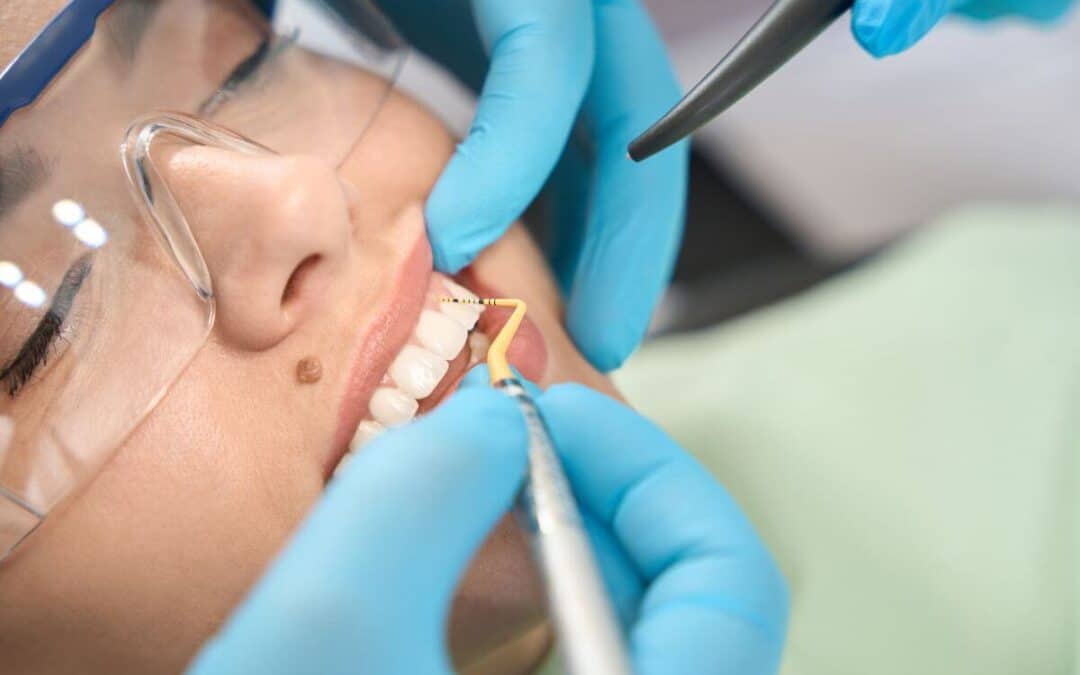
Teeth scaling is a professional dental procedure used to remove hardened plaque (tartar) from below the gumline, where regular brushing and flossing cannot reach. It is typically recommended for individuals showing signs of gum inflammation or periodontal disease.
The frequency of dental scaling is not the same for everyone. It depends on the individual’s oral health, the presence or risk of gum disease, and how well the gums respond to previous cleanings. Some patients may need scaling once or twice a year, while others with ongoing gum concerns may require more frequent appointments.
In this blog, we’ll explain what determines how often you should get scaling, and how to know if it’s time for another one.
What Do You Need Scaling?
Scaling is done to remove hardened plaque (tartar) that builds up below the gumline. This is an area where brushing and flossing just can’t reach effectively, if gum disease is starting to form.
Your dentist may recommend scaling if you’re dealing with symptoms like bleeding gums, persistent bad breath, or early signs of gum disease. In some cases, it’s part of a treatment plan to manage more advanced periodontal issues.
While a standard dental cleaning focuses on the visible surfaces of the teeth, scaling is a more targeted approach for the areas where bacteria tend to cause the most damage.
How Often Do You Need Scaling?
There’s no one-size-fits-all answer, and that’s actually a good thing. It means your care can be tailored to what your mouth truly needs.
Here’s how it typically works:
- Mild to Moderate Gum Disease: If you’ve been treated for gingivitis or early periodontitis, you may need scaling every 3 to 6 months. This helps keep bacteria from rebuilding in those deeper gum pockets.
- Advanced Periodontal Disease: Patients with more severe gum issues may require more frequent visits, sometimes as often as every 3 to 4 months. These appointments allow your dentist to monitor healing and stop the progression of the disease.
- Healthy Gums After Treatment: If your gums respond well after initial treatment and you’re keeping up with brushing, flossing, and regular cleanings, you may only need scaling once a year, or less often, as part of ongoing maintenance.
The key is not just how often tartar builds up, but how your gums react over time. Every mouth is different.
Why the Frequency Matters
The tricky thing about gum disease is that it can be painless until it’s advanced. You might feel fine but still have inflammation below the surface. Regular checkups and cleanings help spot those changes early, but when it comes to scaling, the timing is important.
Spacing it out too much can allow bacteria to settle back in, which undoes the progress made during your last visit. On the other hand, scaling too often without medical need can irritate the gums unnecessarily. That’s why your dentist will base their recommendation on what they see during your exam, not just the calendar.
Signs You Might Be Due for Another Scaling
If you’re unsure whether you’re due for another scaling, there are some subtle signs to pay attention to:
- Your gums bleed when you brush or floss
- Bad breath that doesn’t go away
- A feeling of pressure or swelling near the gumline
- Spaces between your teeth that seem to be getting bigger
- Your last scaling was more than 6 months ago and your gums still feel tender
If anything feels off or unfamiliar, it’s worth checking in.
Personalized Care at Utica Dental of Tulsa
Teeth scaling isn’t about checking a box, it’s about protecting the foundation of your smile. Whether you need it once a year or a few times more, we’ll help you figure out what’s right for your situation.
At Utica Dental of Tulsa, we believe in care that’s guided by what your mouth actually needs, not just what’s typical. If you’ve had scaling before or think you might need it soon, we’re here to talk it through and make a plan that works for you.
Contact us today to schedule your visit and let’s keep your gums healthy and your smile strong.
Frequently Asked Questions
1. Is dental scaling the same as a regular cleaning?
No, dental scaling is different from a standard cleaning. While regular cleanings remove plaque and tartar from the surface of the teeth above the gumline, scaling targets buildup below the gumline. It’s typically recommended when there are signs of gum disease or deep pockets forming between the teeth and gums.
2. Can scaling be done too often?
Yes, unnecessary or overly frequent scaling may irritate the gums or wear down tooth surfaces if not medically needed. The procedure should be done based on clinical findings such as pocket depth, gum inflammation, and tartar buildup—not just as a routine.
3. What happens if I skip recommended scaling appointments?
Delaying or skipping scaling can allow tartar to continue building beneath the gums, leading to ongoing inflammation, gum recession, or worsening periodontal disease. Keeping up with recommended appointments helps prevent more invasive treatment later.
4. How do I know if I need scaling more than once a year?
Your dentist will assess your gum health during exams and cleanings. If signs like bleeding, deep pockets, or recurring tartar are present, you may need scaling more frequently, possibly every 3 to 6 months, as part of periodontal maintenance.