
When it comes to straightening your smile in Tulsa, many patients find themselves choosing between clear aligners and traditional orthodontics. Both options are effective, but the right choice depends on your dental needs, lifestyle, and long-term goals. If you’ve been searching for guidance from an Invisalign specialist, you’re not alone; this is one of the most common questions dentists hear. Patients across Tulsa and nearby communities want a solution that improves both appearance and oral health. Understanding how these treatments differ can help you make a confident, informed decision.
How Each Option Works
Before deciding, it helps to know the basics of how these treatments function.
Traditional braces use brackets and wires attached to your teeth. These components apply steady pressure to gradually shift teeth into alignment. Adjustments are made periodically to keep treatment progressing.
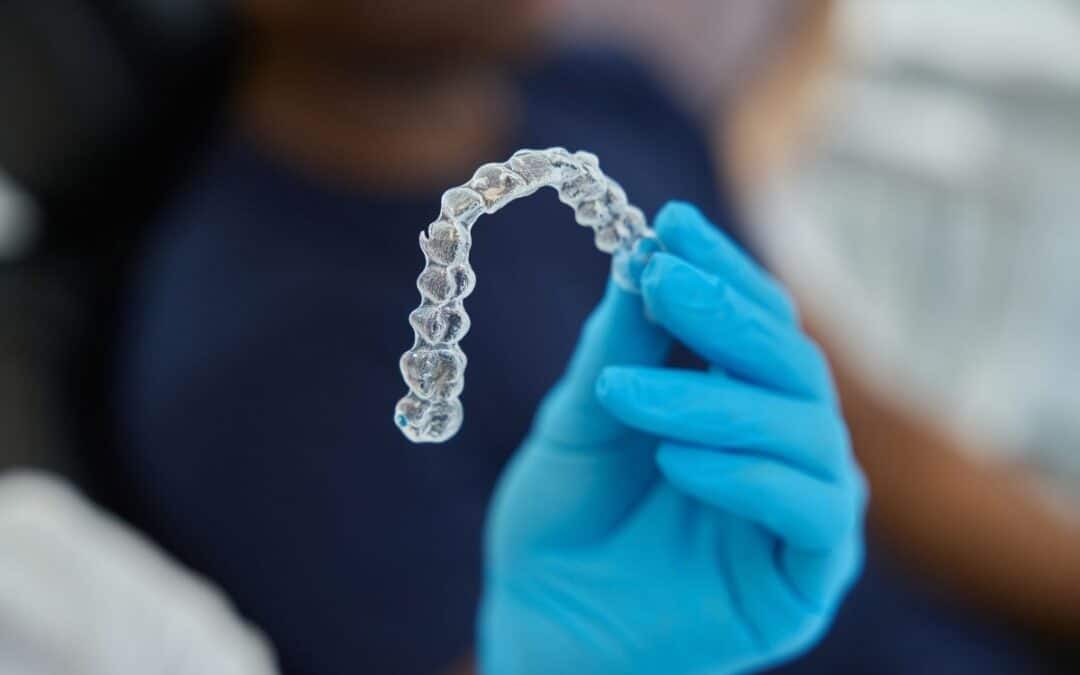
Clear aligners, on the other hand, use a series of custom-made trays that fit snugly over your teeth. These trays are switched out every couple of weeks to guide your teeth into the desired position over time.
Both methods aim to correct issues like crowded teeth, bite misalignment, and gaps, but they do so in different ways.
What Dentists Consider Before Recommending Treatment
Dentists don’t take a one-size-fits-all approach. Instead, they evaluate several important factors:
Severity of Alignment Issues
For mild to moderate concerns like small gaps or slightly crooked teeth, clear aligners are often a great option. However, more complex cases involving severe crowding, jaw alignment issues, or significant bite problems may respond better to braces.
Age and Lifestyle
Teenagers and adults often prefer aligners because they are discreet and removable. However, younger patients or those who may forget to wear aligners consistently might benefit more from braces, which work continuously.
Commitment to Treatment
Aligners require discipline. Patients must wear them for 20–22 hours a day. If they’re frequently removed or forgotten, treatment can take longer. Braces, being fixed, remove this concern entirely.
Comfort and Daily Experience
One of the biggest differences patients notice is how each option feels day-to-day.
Clear aligners are made of smooth plastic, making them generally more comfortable. They don’t have wires or brackets that can irritate the inside of your mouth. Many patients also appreciate the ability to remove them when eating or brushing.
Braces, while highly effective, may cause some discomfort after adjustments. Food restrictions and more detailed oral hygiene routines are also part of the experience.
For patients exploring clear aligner therapy, comfort and convenience often play a major role in their decision.
Appearance and Confidence During Treatment
For many people, especially working professionals and teens, appearance matters.
Clear aligners are nearly invisible, allowing patients to straighten their teeth without drawing attention. This makes them a popular choice for those who want a subtle treatment option.
Braces, although more noticeable, have improved over time. Options like ceramic brackets can make them less visible, but they are still more apparent than aligners.
Treatment Timeline and Efficiency
Treatment time varies depending on the complexity of your case.
- Aligners typically work faster for mild to moderate issues
- Braces may take longer, but are often more effective for complex corrections
On average, aligners may take about 12–18 months, while braces can extend beyond that for more involved cases.
Consistency is key. Patients who follow instructions carefully often see faster and better results, regardless of the method chosen.
Oral Hygiene and Maintenance
Keeping your teeth clean during treatment is essential for long-term oral health.
Aligners make this easier since they can be removed for brushing and flossing. This helps reduce the risk of plaque buildup and tooth decay.
Braces require extra care. Food particles can get trapped around brackets and wires, so patients need to be diligent with brushing and flossing techniques.
Local Considerations for Tulsa Patients
Patients looking for Invisalign in Tulsa often prioritize convenience, flexibility, and aesthetics. Tulsa residents with busy schedules, whether commuting from nearby neighborhoods or balancing work and family, may find aligners easier to manage.
However, local dentists will always recommend what’s best for your dental health first. A personalized consultation ensures your treatment plan is tailored to your unique needs.
Making the Right Choice for Your Smile
There’s no universal “better” option, only what’s better for you.
Choose clear aligners if you:
- Want a discreet appearance
- Have mild to moderate alignment issues
- Can commit to wearing them consistently
Choose braces if you:
- Have complex orthodontic concerns
- Prefer a fixed, low-maintenance solution
- Want the most precise control over tooth movement
Ultimately, both options can deliver a healthier, more confident smile when guided by professional care.
Conclusion
Choosing between Invisalign and braces is a personal decision that should be based on your dental condition, lifestyle, and goals. Both treatments offer excellent results when used appropriately, and the best way to decide is through a professional evaluation. If you’re ready to take the next step toward a straighter smile, contact us today to schedule your consultation. The team at Utica Dental is here to guide you with personalized care and help you achieve lasting results.
Use the map to locate our clinic and get step-by-step directions to us.