
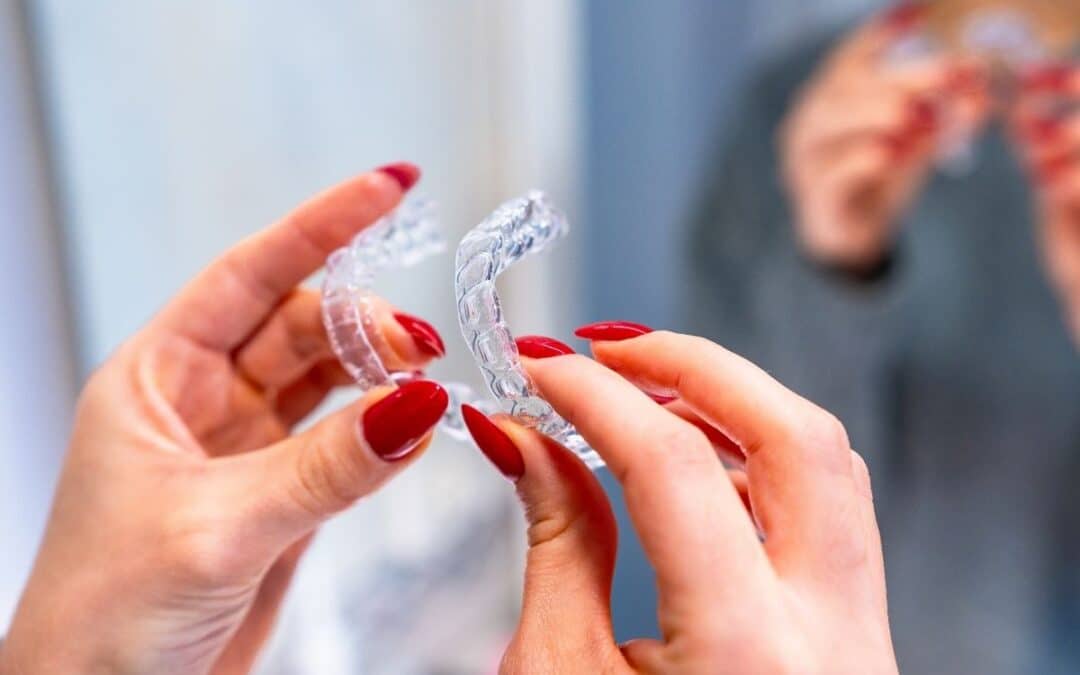
Thinking about straightening your smile in Tulsa or nearby communities? Many patients wonder if there’s a “perfect” time to begin treatment. The truth is, age matters less than readiness and dental development. Whether you’re a parent exploring options for your child or an adult finally prioritizing your smile, understanding timing is key. Modern solutions like Invisalign braces have made orthodontic care more flexible and discreet than ever before. In this guide, we’ll walk through what really determines the right age, what to expect at different life stages, and how to make an informed decision for long-term oral health.
Why Timing Isn’t Just About Age
When it comes to clear aligner therapy, chronological age is only part of the picture. Dentists focus more on dental maturity, jaw development, and oral health than on your birthdate.
For example, a younger patient with several permanent teeth may be ready sooner than an older child who still has mostly baby teeth. Similarly, adults of almost any age can qualify if their gums and bone structure are healthy.
Key readiness factors include:
- Presence of permanent teeth
- Healthy gums and supporting bone
- Ability to follow treatment instructions
- Commitment to wearing aligners consistently
This means there isn’t a one-size-fits-all answer; timing is personalized.
Early Orthodontic Guidance for Children
Some children may benefit from early intervention, often referred to as Phase 1 orthodontics. This typically begins around ages 6 to 10, when a mix of baby and adult teeth is present.
At this stage, treatment isn’t always about perfect alignment. Instead, it focuses on:
- Guiding jaw growth
- Creating space for incoming teeth
- Addressing early bite issues like crossbites or crowding
However, not every child needs early aligners. Many dentists recommend monitoring growth and waiting until more permanent teeth appear unless there are clear concerns.
Another important consideration is responsibility. Younger children must be able to wear aligners for 20–22 hours per day, which can be challenging without supervision.
The Teen Years: A Common Starting Point
The teenage years, typically between 12 and 14, are often considered an ideal window for orthodontic treatment. By this time, most permanent teeth have erupted, and the jaw is still developing, making tooth movement more efficient.
Clear aligners designed for teens include helpful features such as:
- Wear indicators to track usage
- Space for emerging molars
- Replacement options for lost trays
For busy teens balancing school, sports, and social life, removable aligners offer flexibility. They can eat normally, maintain oral hygiene easily, and avoid the appearance of traditional braces.
Still, success depends heavily on consistency. Teens must be disciplined enough to follow instructions and keep up with daily wear.
Adults: It’s Never Too Late
One of the biggest misconceptions is that orthodontic treatment is only for younger patients. In reality, there is no upper age limit for clear aligners.
Adults often make excellent candidates because they tend to:
- Follow treatment plans closely
- Maintain better oral hygiene routines
- Stay motivated throughout the process
Before starting, a dentist will evaluate:
- Gum health (to rule out gum disease)
- Bone density
- Existing dental work, like crowns or bridges
Many adults seek treatment to correct shifting teeth, spacing, or relapse from previous braces. Others simply want a more confident smile that fits their personal and professional lives.
Common Issues Aligners Can Address
Across all age groups, clear aligners can help treat a variety of orthodontic concerns, including:
- Crowded teeth
- Gaps or spacing issues
- Overbites and underbites
- Crossbites
- Mild to moderate misalignment
Each treatment plan is customized, ensuring that the approach matches the patient’s specific needs and stage of development.
The Role of Commitment in Success
No matter your age, one factor remains constant: commitment.
Aligners must be worn for most of the day to be effective. Skipping hours or forgetting to wear them can delay progress and impact results.
Here’s what successful patients typically do:
- Wear aligners consistently (20–22 hours daily)
- Switch trays on schedule
- Maintain proper oral hygiene
- Attend regular dental checkups
Adults often excel in this area, but motivated teens can achieve equally great outcomes with the right support.
Comparing Clear Aligners and Traditional Braces
Both clear aligners and traditional braces can deliver excellent results, but they differ in experience.
Clear aligners offer:
- Discreet appearance
- Removability for meals and brushing
- Greater comfort with no wires or brackets
Traditional braces may be better for:
- Complex orthodontic cases
- Patients who may struggle with compliance
A dental professional will recommend the best option based on the complexity of your case and your lifestyle.
Local Considerations for Tulsa Patients
If you’re exploring Invisalign in Tulsa, it’s helpful to choose a provider familiar with the needs of local families and individuals. Patients from nearby areas like Broken Arrow, Jenks, and Owasso often seek convenient, flexible orthodontic solutions that fit into busy schedules.
Local practices understand these lifestyle demands and can tailor treatment plans accordingly, whether for school-aged children, teens, or working adults.
For more information on orthodontic health and treatment guidelines, you can visit the American Dental Association: https://www.ada.org
So, Is There a “Perfect” Age?
The idea of a perfect age is a bit of a myth. Instead, the right time depends on:
- Dental development
- Oral health
- Lifestyle and commitment
Some patients benefit from early guidance, while others achieve great results starting in their teens or adulthood. The best approach is to evaluate each case individually rather than relying on a specific age range.
Conclusion
Choosing the right time to straighten your teeth is a personal decision guided by dental health, readiness, and long-term goals. Whether you’re considering treatment for your child, your teenager, or yourself, clear aligners offer a modern, flexible solution for many stages of life. The key is getting a professional evaluation to determine the best path forward. If you’re ready to explore your options or have questions about your smile, contact us today to schedule a consultation with Utica Dental and take the first step toward a healthier, more confident smile.