
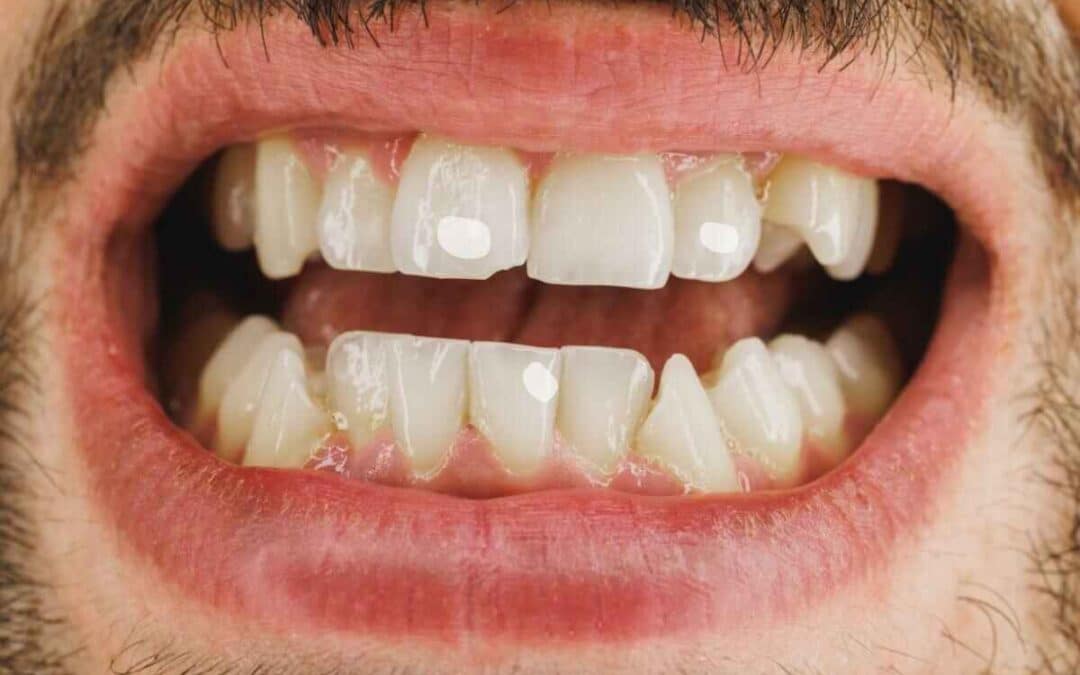
Yes, white spots on teeth can be an early sign of enamel loss. Enamel is the hard, protective layer of your teeth that shields them from decay, cavities, and other types of damage. When enamel begins to lose minerals, typically due to factors like poor oral hygiene, diet, or acidic beverages, it can start to appear as white spots.
This is a condition called “demineralization.” While enamel loss at this stage is reversible with proper care, continued demineralization without intervention can lead to cavities and more severe dental issues.
About White Spots on Teeth
White spots on teeth are often appearing as opaque, chalky-looking patches. These spots can vary in size and are usually more noticeable on the front teeth, though they can appear on any tooth. They are often the result of enamel that has been weakened but not completely eroded.
In the early stages, white spots might not be painful or cause any immediate discomfort, but they can become more pronounced or lead to other issues if left untreated.
Causes of White Spots
There are several factors that can contribute to the formation of white spots on teeth. Understanding these causes can help you take preventive measures to avoid this common dental issue.
1. Poor Oral Hygiene
When plaque and bacteria accumulate on the teeth, they can weaken the enamel and lead to demineralization. Without regular brushing and flossing, the enamel remains vulnerable, and white spots may appear as the minerals in the enamel start to break down.
2. Diet and Acidic Foods
Acidic foods and drinks, such as citrus fruits, soda, and coffee, can erode enamel over time. When the enamel is exposed to these acids, it may lose minerals, leading to white spots. A diet rich in sugary or starchy foods can also contribute to the buildup of plaque, further exacerbating the issue.
3. Fluorosis
Fluorosis occurs when a child consumes too much fluoride during the development of their teeth. While fluoride is beneficial in small amounts for preventing cavities, excessive exposure, particularly during childhood, can cause white or brown spots to form on the enamel.
4. Dry Mouth
Saliva neutralizes acids and provides minerals that help remineralize enamel. People who suffer from dry mouth—often due to medications, medical conditions, or dehydration—are at a higher risk of developing white spots due to a lack of natural protection.
How to Prevent and Treat White Spots
1. Improve Oral Hygiene
Regular brushing with fluoride toothpaste, combined with flossing, can help prevent plaque buildup and remineralize the enamel. Make sure to brush for at least two minutes twice a day, paying special attention to the areas where white spots are most noticeable.
2. Dietary Changes
Limit your intake of acidic and sugary foods, and drink plenty of water to help wash away food particles and acids. Rinsing your mouth with water after consuming acidic foods or beverages can also reduce the impact on your enamel.
3. Professional Dental Treatments
In some cases, professional treatments can help restore the enamel and reduce the appearance of white spots. Fluoride treatments and dental sealants can help strengthen the enamel and prevent further demineralization. For more severe cases, cosmetic procedures such as Veneers or Lumineers may be recommended.
Our cosmetic dentistry services in Tulsa can effectively treat white spots by using techniques like lumineers, or veneers to restore the smoothness and appearance of your enamel. These treatments help reduce or eliminate white spots and give you a healthy-looking smile.
Have White Spots on Your Teeth? Contact Us Today
If you’re noticing white spots or are concerned about your enamel health, our team is here to help. Contact us today to schedule an appointment and learn how our personalized treatments can restore your smile and protect your enamel for the future.
Frequently Asked Questions
- What causes white spots on teeth?
White spots on teeth are typically caused by the demineralization of enamel, which can occur due to poor oral hygiene, acidic or sugary foods and drinks, or even overexposure to fluoride (in the case of dental fluorosis). These spots are a sign that the enamel is losing essential minerals but hasn’t yet been completely damaged.
- Are white spots on teeth a sign of tooth decay?
Not necessarily. While white spots are often an early indication of enamel loss, they don’t always mean a cavity is forming. In fact, if caught early, these spots can be reversed with proper dental care, such as fluoride treatments and changes to your oral hygiene routine. However, if left untreated, they can develop into more serious tooth decay.
- Can white spots on teeth be treated?
Yes! White spots can often be treated and even reversed. Fluoride treatments, dental sealants, or professional procedures like microabrasion and veneers can help restore enamel and reduce the appearance of white spots. Early intervention is key to avoiding further damage.
- How can I prevent white spots from forming?
To prevent white spots, practice good oral hygiene by brushing with fluoride toothpaste, flossing regularly, and limiting acidic or sugary foods. Drinking plenty of water and using fluoride mouthwash can also help remineralize enamel and protect your teeth from demineralization.