
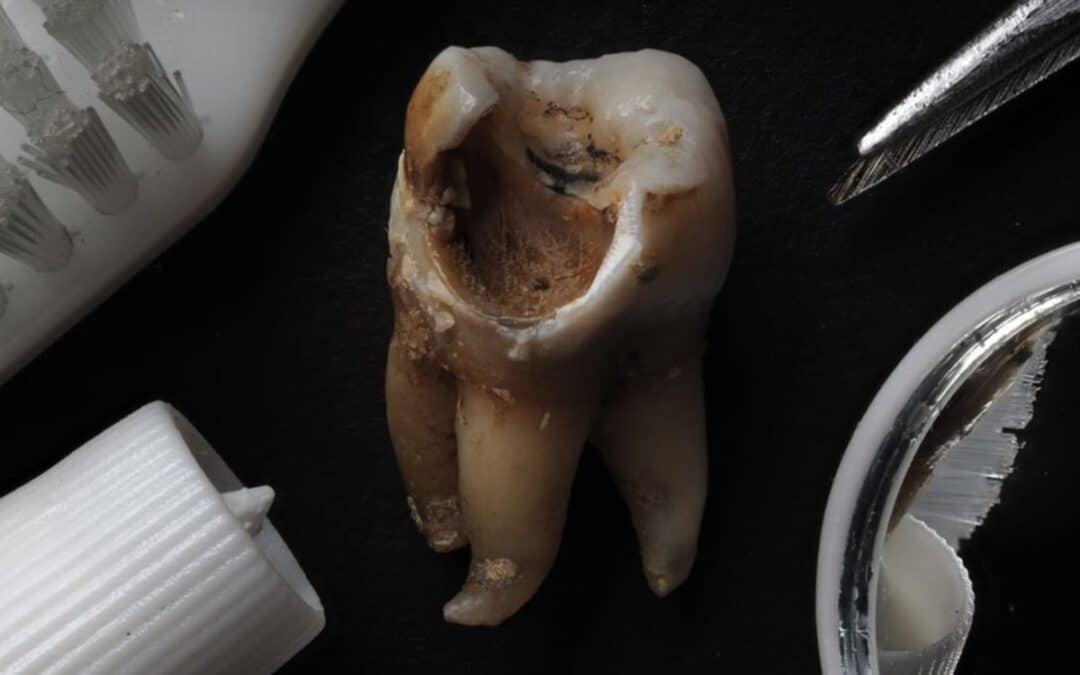
Tooth cavities are one of the most common dental problems in the United States. When you eat sugary foods, bacteria in your mouth breaks down them. It then creates acids that slowly remove your tooth enamel. If you ignore treating these cavities, it can lead to tooth pain, infections, or even tooth loss.
In fact, about 91% of adults aged 20 to 64 have had at least one cavity in their permanent teeth.
But cavities do not only affect the front teeth that you see everyday. They can also develop in those sections of your teeth that are difficult to reach. So, you might think that if you get a cavity in your wisdom teeth, what should you do? Let’s discuss in detail.
Can You Get Cavities in Wisdom Teeth?
Yes, wisdom teeth are also as vulnerable to cavities as the rest of your teeth. In such a situation you may ask yourself: How do wisdom teeth get cavities?
These teeth are hard to clean because they are located in the back of your mouth. Sometimes, they come in awkward positions or remain partially impacted. These situations make both brushing and flossing more difficult.
Because of this, food particles, plaque, and bacteria build up around these teeth and increase the risk of cavities.
What Causes Cavities In Your Wisdom Teeth
There are no particular reasons that can develop cavities in the back of your mouth. Here are some common reasons that causes cavities:
- Poor Oral Hygiene: If you do not clean your teeth regularly, especially around your wisdom teeth, plaque will build up. People usually ignore cleaning their wisdom teeth because they are harder to reach, but regular brushing and flossing around them is essential.
- Dietary Choices: Sugary foods and drinks can accelerate the development of cavities. Acidic beverages, like soda and fruit juices, can also erode the enamel, making it easier for cavities to form, particularly in hard-to-reach wisdom teeth.
- Position of the Wisdom Teeth: Sometimes, wisdom teeth emerge at angles that make them harder to clean. This can create spaces where bacteria accumulate, leading to decay.
- Delayed Eruption: These teeth are the last to come in, and they often do so when you are in your late teens or early twenties. By this time, your other teeth are fully formed and easier to clean, but your wisdom teeth might be partially erupted or impacted, leaving them more vulnerable to cavities.
Should You Remove Your Wisdom Teeth If You Get Cavities?
If you get a cavity in these teeth, you might be thinking, “Should I just remove it?” Removal might be recommended if:
- The cavity is too severe to be treated with a filling.
- The tooth is causing pain or discomfort.
- The wisdom tooth is impacted or misaligned, making it hard to clean and increasing the risk of infection.
If you are experiencing any of these symptoms in your wisdom teeth, consult with your dentist in Tulsa OK. They will check the conditions and may suggest when to remove them.
But If these teeth are healthy, fully erupted, and not causing any issues, your dentist may suggest leaving it in place.
How to Prevent Cavities in Your Wisdom Teeth
Prevention is always better than treatment. So, what can you do to protect your wisdom teeth from cavities?
- Brush and Floss Regularly: Make sure you brush your teeth at least twice a day. Use a soft-bristled toothbrush and fluoride toothpaste to gently clean these teeth. Also do not forget to floss.
- Use Fluoride Toothpaste: Fluoride strengthens the enamel on your teeth, making them more resistant to decay. So, when brushing your wisdom teeth, be sure to use toothpaste with fluoride to help protect them.
The FDA approves toothpaste with 850 to 1150 ppm fluoride for children aged 2 and up, and 1500 ppm fluoride for those aged 6 and above.
- Limit Sugary Foods and Drinks: It’s no secret that sugary snacks can contribute to cavities. Try to limit sugary foods and drinks, especially between meals. Drink plenty of water and consider a diet rich in fruits, vegetables, and dairy, which are good for your teeth.
- Regular Dental Checkups: Don’t wait for a problem to arise. Regular dental checkups will help your dentist to catch issues early, including cavities. Professional cleanings can remove tartar buildup that may not be easy to remove with home care alone.
- Consider Dental Sealants: If your wisdom teeth are particularly prone to cavities, talk to your dentist about dental sealants. These thin protective coatings can help prevent bacteria from getting into the grooves and crevices of those teeth.
Conclusion
Taking care of your wisdom teeth is as important as maintaining the health of the rest of your teeth. If you think you have a cavity in your wisdom tooth or need advice, visit Utica Dental Of Tulsa Ok. We take better care of your teeth.
If you are located in or surrounding areas of Tulsa, Oklahoma, call us at 918.673.2601 to schedule an appointment with our dentist. They can offer personalized advice and treatments to keep your wisdom teeth and the rest of your smile in great shape.
FAQs
Can a Cavity in a Wisdom Tooth Be Fixed Without Extraction?
Yes, in many cases, cavities in wisdom teeth can be treated with fillings or other dental procedures instead of extraction.
How Long Does It Take to Recover After Wisdom Tooth Removal?
Recovery typically takes a few days to a week, depending on the complexity of the extraction. Your dentist will guide you on aftercare.
What Are the Risks of Leaving an Infected Wisdom Tooth Untreated?
Untreated infections in wisdom teeth can lead to more serious issues, such as abscesses, pain, and even the spread of infection to other parts of the body.
Can I Prevent Cavities in My Wisdom Teeth?
Yes. Good oral hygiene, regular dental visits, and a healthy diet can help prevent cavities in your wisdom teeth.