
If you have ever looked at your smile in a family photo, a video call, or the bathroom mirror and thought, “I really should do something about my teeth,” you are far from alone.
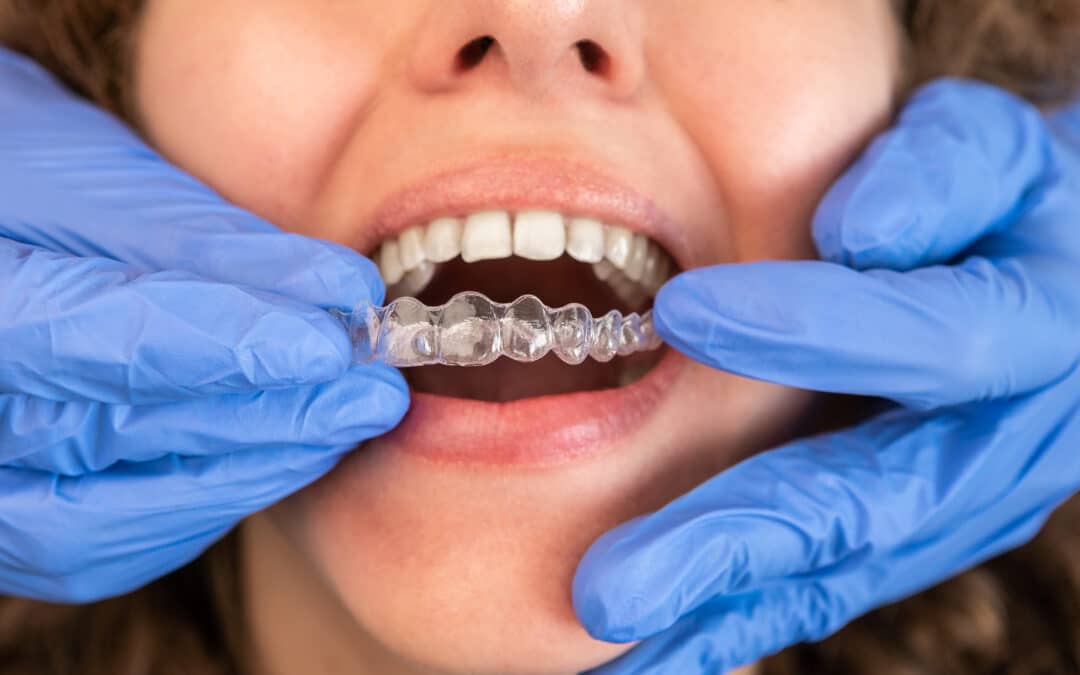
Clear aligners have made orthodontic treatment much more appealing to adults and teens who don’t want traditional metal braces. They are discreet, removable, and can fit into a busy schedule. But there are a few realities about Invisalign that you may not hear during the first few minutes of researching treatment.
Before you commit, here’s what experienced patients wish they had known from the beginning.
1. Invisalign Is Convenient—but It Still Requires Commitment
One of the biggest advantages of Invisalign is that the aligners are removable. You can take them out to eat, brush, and floss.
That flexibility, however, can become a problem if you start treating your aligners like an optional accessory.
Clear aligner treatment works through a planned sequence of small tooth movements. Your dentist provides instructions for how long the aligners should be worn and when to move to the next set. The American Association of Orthodontists notes that clear aligners are generally worn for most of the day, with individual treatment plans determining the exact schedule.
In other words, remembering to put your aligners back in after lunch matters.
A typical day may look something like this:
| Part of Your Day | What to Remember |
|---|---|
| Morning | Brush your teeth and clean your aligners |
| Breakfast | Remove aligners while eating |
| Work/school | Keep aligners in as instructed |
| Lunch | Remove them, eat, then brush if possible |
| Evening | Clean your teeth before putting them back in |
| Bedtime | Wear aligners according to your treatment plan |
For someone working downtown, commuting across Tulsa, or juggling kids’ activities after work, creating a simple routine makes staying consistent much easier.
2. The First Few Days Can Feel Strange
Don’t panic if your first aligners feel unfamiliar.
You may notice pressure on your teeth, increased saliva, or a slight difference in the way your mouth feels. Some patients also notice temporary speech changes while they get used to having something new in their mouth.
That doesn’t necessarily mean something is wrong.
As your mouth adjusts, wearing the aligners usually becomes much more routine. The goal isn’t for the aligners to feel completely invisible from day one; it’s for them to become an ordinary part of your day.
3. You Can’t Treat Your Aligners Like a Water Bottle
Here’s a detail that catches some first-time patients off guard: eating and drinking require a little more planning.
Food particles and sugary or acidic drinks trapped between your teeth and an aligner can create an environment that isn’t friendly to your teeth.
The CDC recommends brushing twice daily with fluoride toothpaste and cleaning between the teeth every day as part of good oral health.
During aligner treatment, those habits become even more important.
A good rule is simple: take your aligners out when eating, clean your teeth as recommended, and put the aligners back in afterward.
4. Your Aligners Need Cleaning, Too
Your teeth aren’t the only thing that needs attention.
Aligners can accumulate saliva, plaque, and bacteria. Research reviews have found that clear aligner appliances can develop biofilm, making appropriate cleaning an important part of treatment.
Your dental professional can recommend an appropriate cleaning routine for your particular aligners.
Avoid experimenting with harsh household cleaners or hot water. Heat can damage or distort some clear aligner materials.
5. Invisalign Isn’t Automatically the Right Choice for Everyone
This is probably one of the most important things to understand.
Seeing someone on social media straighten their teeth with clear aligners doesn’t mean you have the same orthodontic needs.
The American Association of Orthodontists emphasizes that diagnosis should come before choosing an orthodontic treatment method. Some patients may benefit from clear aligners, while others may be better candidates for braces or another approach.
Before starting Invisalign, your dentist should evaluate your teeth, gums, bite, and overall oral health.
That’s particularly important if you have untreated cavities, gum disease, significant bite problems, or damaged teeth.
6. Your Teeth May Need Some Extra Help
Clear aligners don’t always work completely on their own.
Depending on your treatment plan, small tooth-colored attachments may be placed on certain teeth to help the aligners create specific movements. The AAO notes that attachments can help aligners move teeth as planned.
Don’t let the word “attachment” scare you. These aren’t metal brackets.
They are simply part of the customized mechanics that may be used to help achieve the desired result.
7. Your Smile Isn’t Finished When Your Last Aligner Comes Out
This is the part many people don’t think about until treatment is over.
Once your teeth have moved into their new positions, they need to be maintained.
That’s where retainers come in.
Without appropriate retention, teeth can gradually shift. Your dentist will recommend a retention plan based on your individual treatment.
Think of it this way:
Aligners move your teeth. Retainers help maintain the result.
Skipping the retention phase can undermine the time and effort you invested in treatment.
8. Oral Hygiene Matters More Than Ever
A straighter smile isn’t much of a victory if you develop cavities or gum problems along the way.
Recent research suggests clear aligners can offer some oral-hygiene advantages compared with fixed appliances because they can be removed for brushing and flossing, but researchers also emphasize that outcomes depend heavily on patient compliance and hygiene habits.
So don’t think of removable aligners as permission to become casual about brushing.
If anything, treatment is a good opportunity to become more disciplined about your daily routine.
9. Don’t Let Social Media Choose Your Treatment
The internet is full of dramatic before-and-after photos.
Some are inspiring. Others can create unrealistic expectations.
Your smile isn’t a template. Your bone structure, bite, gum health, tooth shape, previous dental work, and treatment goals are unique to you.
That’s why an in-person evaluation matters.
The AAO has also warned that moving teeth is a medical procedure involving biological changes to the teeth, gums, and bite—not simply a cosmetic service that can safely be managed without appropriate professional oversight.
If you’re researching invisalign in tulsa, don’t choose a treatment plan simply because an advertisement promises an easy or fast transformation.
10. The Dentist You Choose Matters
Your aligners are only one part of the equation.
Your treatment should be planned and monitored by a qualified dental professional who understands your overall oral health—not just the position of your front teeth.
At Utica Dental of Tulsa, Dr. Matthew E. Walker has pursued extensive continuing education and advanced training in cosmetic veneers, laser gum surgery, cosmetic reconstruction, dental implant dentistry, and Invisalign. He earned his Doctor of Dental Surgery degree from the University of Oklahoma, graduating with Honors in 2001.
That broader dental experience matters because straightening teeth should be considered alongside your gums, bite, existing restorations, and long-term oral health.
What Should You Ask Before Starting Invisalign?
Before beginning treatment, don’t be afraid to ask detailed questions.
| Questions to Ask | Why It Matters |
| Am I a good candidate? | Not every case is suitable for clear aligners |
| How long might treatment take? | Helps set realistic expectations |
| How often will I need appointments? | Helps with work and family scheduling |
| Will I need attachments? | Some tooth movements require additional features |
| What happens if I lose an aligner? | You’ll know what to do before it happens |
| Will I need retainers afterward? | Retention is part of long-term treatment |
| What should I do if my gums become irritated? | Helps you respond appropriately |
Frequently Asked Questions
1. Is Invisalign painful?
You may experience pressure or mild discomfort, particularly when beginning a new stage of treatment. Persistent or significant pain should be discussed with your dental professional.
2. Can I eat while wearing Invisalign?
Aligners are generally removed while eating. Follow the specific instructions provided by your dental professional.
3. How long do I have to wear Invisalign each day?
Your dentist will give you individualized instructions. Clear aligner treatment generally requires consistent daily wear, and following the prescribed schedule is important for treatment progress.
4. Can Invisalign fix every orthodontic problem?
No. Clear aligners can address many orthodontic concerns, but they aren’t appropriate for every case. A professional examination is necessary to determine whether they are suitable for you.
5. Do I need retainers after Invisalign?
In most cases, some form of retention is recommended after active tooth movement to help maintain your results. Your dentist will determine the appropriate retention plan.
A Note From Your Dental Team
The best orthodontic treatment isn’t necessarily the one that looks easiest on Instagram. It’s the one that is appropriate for your teeth, your bite, your oral health, and your lifestyle.
If you’re considering Invisalign, take the time to have a thorough conversation with your dental professional before getting started.
At Utica Dental of Tulsa, patients can discuss clear aligner treatment with a team that takes both aesthetics and overall dental health into consideration. To learn more or schedule a consultation, call +1 918-673-2601.
Trusted U.S. Dental Health Resources
For additional evidence-based oral-health information, patients can explore resources from:
- American Dental Association (ADA) — professional dental guidance and oral-health education.
- American Association of Orthodontists (AAO) — information about orthodontic treatment, clear aligners, braces, and patient considerations.
- Centers for Disease Control and Prevention (CDC), Division of Oral Health — U.S. public-health information about oral hygiene and preventing dental disease.
- National Institute of Dental and Craniofacial Research (NIDCR) — research-based information about oral and craniofacial health.
The CDC recommends regular oral-health care, brushing twice daily with fluoride toothpaste, and daily cleaning between teeth.