
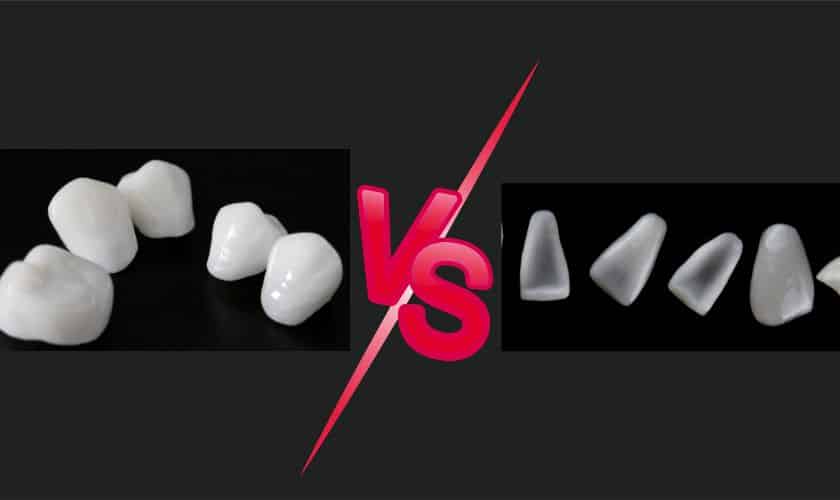
Achieving a flawless smile has become increasingly popular, thanks to advancements in cosmetic dentistry. Lumineers and veneers stand out as two premier options, both promising a transformative impact on your dental aesthetics. In this article, we’ll explore the key differences between Lumineers and traditional veneers, helping you make an informed decision on the ultimate option for your perfect smile.
Understanding Lumineers and Veneers:
Lumineers:
Lumineers are a specific brand of ultra-thin veneers known for their minimal preparation and non-invasive application. Made from a patented porcelain material, Lumineers are even thinner than traditional veneers, preserving more of the natural tooth structure. The application process typically involves minimal or no tooth reduction, making Lumineers a reversible option.
Veneers:
Traditional veneers, often made from porcelain or composite materials, are custom-crafted shells designed to cover the front surface of teeth. Unlike Lumineers, the placement of traditional veneers usually requires the removal of a small amount of enamel to ensure a proper fit. Veneers are renowned for their durability and ability to address various cosmetic concerns, including discoloration, misalignment, and minor imperfections.
Choosing the Ultimate Option:
Tooth Preparation:
Lumineers are celebrated for their “no-prep” or “minimal-prep” approach, preserving the integrity of natural teeth. On the other hand, traditional veneers may involve a more extensive preparation process, necessitating the removal of a thin layer of enamel. If preserving your natural tooth structure is a top priority, Lumineers may be the ultimate choice.
Thickness and Appearance:
Lumineers are ultra-thin, providing a translucent quality that closely resembles natural teeth. While traditional veneers are still thin, Lumineers have the advantage in terms of thickness. The choice between the two may depend on your specific aesthetic preferences and the level of translucency you desire for your smile.
Durability and Longevity:
Both Lumineers and veneers are durable and can last for many years with proper care. However, traditional veneers may have a slight edge in terms of strength and longevity due to their thicker structure. Consider your lifestyle and maintenance habits when deciding on the optimal choice for long-term results.
Application Process:
Lumineers are often praised for their quicker and less invasive application process. Since minimal or no tooth reduction is required, Lumineers can be placed in fewer visits compared to traditional veneers. If you’re looking for a more time-efficient option, Lumineers may be the ultimate choice.
Conclusion:
Choosing between Lumineers and traditional veneers ultimately depends on your individual preferences, budget, and specific dental needs. Both options can provide remarkable results, enhancing your smile and boosting your confidence. Consult with your dentist to discuss your goals, and together, you can determine the ultimate option for achieving the perfect smile you’ve always wanted.