
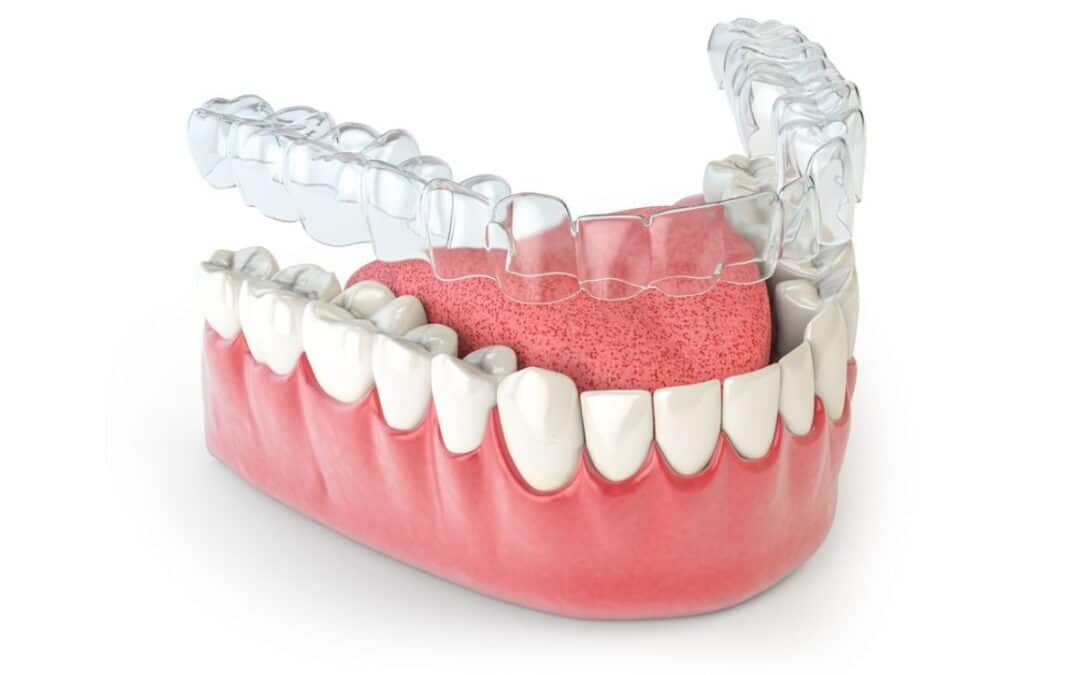
Many patients start orthodontic treatment with traditional metal braces, only to later wonder if there’s a more comfortable or discreet option available. Maybe the wires and brackets are starting to interfere with daily life, or perhaps you’ve heard about how easy Invisalign aligners are to remove for meals and brushing.
Whatever your reason, you might be asking yourself: “Can I switch from braces to Invisalign even though I’ve already started treatment?”
In many cases, it is possible. But there are some important factors to consider first. Keep reading to learn when switching from braces to Invisalign makes sense, how the process works, and whether it might be the right step for your smile journey.
When Does Switching from Braces to Invisalign Make Sense?
Braces and Invisalign both work to move your teeth into a healthier, straighter position, but they do it in different ways. Sometimes, starting with braces and transitioning to Invisalign later is actually part of a well-planned treatment strategy.
Here are some situations where switching mid-treatment might be a good fit:
You’ve completed the most complex tooth movements
Braces are sometimes needed first for more severe alignment issues. Once the tougher adjustments are made, Invisalign can take over to finish the fine-tuning.
You’re struggling with comfort or lifestyle limitations
Some patients find brackets and wires irritating or hard to manage during meals and brushing. Invisalign can offer a more flexible, discreet solution for the remainder of the treatment.
You’re motivated to complete your treatment more discreetly
Whether it’s for personal confidence or professional appearance, switching to clear aligners might help you feel more comfortable finishing your treatment.
What to Expect When You Want To Switch
If you’re considering changing from braces to Invisalign, here’s what typically happens:
Consultation and Evaluation
We’ll assess how much progress has been made with your braces and whether Invisalign is suitable for the rest of your treatment. Not every case will be eligible, but many are.
Customized Plan
If you’re a good candidate, we’ll create a digital treatment plan tailored to your current tooth position. This helps us map out every movement with precision.
Removal of Braces and Fitting Aligners
After removing your braces, we’ll take impressions or digital scans for your Invisalign aligners. You’ll usually receive several sets at once to change out every 1–2 weeks.
Ongoing Monitoring
Just like with braces, you’ll have check-ins to make sure your teeth are moving as planned. Staying consistent with wearing your aligners is key to staying on track.
Important Considerations Before Switching
While switching to Invisalign can be a great choice, it’s not the best option for everyone. Some things to keep in mind include:
Discipline is essential
Invisalign only works if the aligners are worn for 20–22 hours per day. If you think you might forget to put them back in after meals, you might want to stick with braces.
Your progress may change your options
As you progress through your treatment, the transition to new aligners may feel easier. If your braces were just placed recently, it might be better to wait.
Cost and insurance
Switching treatments may come with added costs. Our team will walk you through all your financial options and help you understand what your insurance might cover.
Get Started With Invisalign at Utica Dental Of Tulsa, OK
We understand that orthodontic needs and preferences can change over time. That’s why we offer both traditional braces and Invisalign with a personalized approach. Whether you’re just starting treatment or considering a change, our team at Utica Dental, your trusted Tulsa oK dentist, is here to guide you every step of the way.
Contact us today to schedule a consultation online to see if Invisalign is right for the rest of your treatment.
Frequently Asked Question
- Can I switch to Invisalign if I just got my braces?
You can, but it depends on the complexity of your case. If your treatment just started, your orthodontist may recommend waiting a bit longer to allow some key movements to happen first. Braces are often better for complex adjustments early on, and switching too soon might affect your progress. The best thing to do is come in for a consultation so we can take a look and give you honest guidance.
- Will switching to Invisalign make my treatment take longer?
Not necessarily. If your teeth have already made good progress with braces, Invisalign can pick up right where they left off. In many cases, treatment time stays about the same. Sometimes, Invisalign even speeds things up, as long as you’re consistent about wearing your aligners every day.
- Is switching from braces to Invisalign more expensive?
It can be, but not always. The cost depends on how much treatment you’ve already completed with braces and how much is left to do with Invisalign. Our team will review your case, go over your insurance coverage, and give you a clear breakdown of any additional costs before moving forward.
- How do I know if I’m a good candidate to switch?
We’ll help you figure that out during a consultation. If your teeth have already shifted significantly and your current needs are more cosmetic or fine-tuning, you might be a great candidate. We’ll take digital scans or X-rays to assess your progress and let you know if Invisalign is the right fit for finishing your smile transformation.