
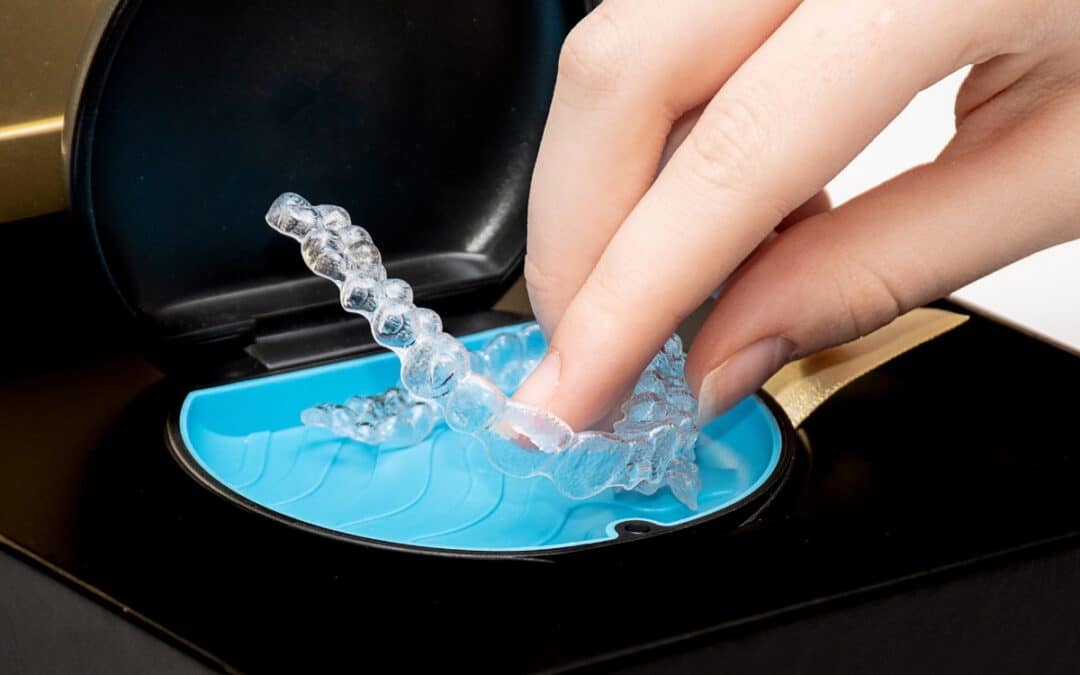
Invisalign has revolutionized the world of orthodontics by providing a virtually invisible solution for straightening teeth. For individuals who want to improve their smile without the appearance of metal braces, Invisalign is a game-changer. This article will break down how Invisalign works, the technology behind it, and the advantages it offers compared to traditional braces.
What is Invisalign?
Invisalign is a modern orthodontic treatment that uses clear, removable aligners to straighten teeth. These aligners are custom-made for each patient, allowing for a tailored approach to achieving a healthier, more attractive smile.
Unlike traditional braces that use metal brackets and wires, Invisalign aligners are nearly invisible, making them a discreet option for people of all ages. The aligners are designed to apply gentle, consistent pressure to the teeth, gradually moving them into the desired position.
How Invisalign Works: A Step-by-Step Process
1. Initial Consultation
The first step in the Invisalign process is an initial consultation with a dentist in Tulsa or orthodontist. During this appointment, the orthodontist will examine your teeth, discuss your treatment goals, and determine if Invisalign is the right solution for you.
2. Creating a Personalized Treatment Plan
Once Invisalign is deemed suitable, the dentist will take detailed digital scans of your teeth using 3D imaging technology. These scans are used to create a customized treatment plan that maps out how your teeth will move over time.
3. Custom Aligners
Using the treatment plan, a series of custom aligners will be manufactured specifically for your teeth. Each set of aligners is worn for about two weeks before moving on to the next set, gradually shifting your teeth toward their final position.
4. Regular Checkups
Throughout the treatment, you will have regular checkups with your dentist to ensure the progress is going according to plan. These appointments typically take place every 6-8 weeks.
The Technology Behind Invisalign
3D Imaging and Impressions
Invisalign uses advanced 3D imaging technology to create a precise digital model of your teeth. This allows for accurate treatment planning and the ability to visualize the end result before starting the process.
SmartTrack Material
The aligners are made from SmartTrack, a patented material that ensures optimal comfort and efficiency. SmartTrack is flexible yet durable, making the aligners easy to wear and effective in moving teeth.
Precision Cuts and Attachments
In some cases, small tooth-colored attachments may be applied to certain teeth to help the aligners grip better. These attachments allow for more complex movements and improve the overall effectiveness of the treatment.
Benefits of Using Invisalign
Aesthetic Appeal
One of the most significant advantages of Invisalign is its discreet appearance. Since the aligners are clear, most people won’t even notice you’re wearing them.
Comfort and Convenience
The smooth, plastic design of the aligners ensures a comfortable fit, unlike the metal brackets and wires of traditional braces that can irritate the gums and cheeks.
Removability
Invisalign aligners can be easily removed for eating, drinking, and cleaning. This means you can enjoy your favorite foods without restrictions and maintain better oral hygiene during treatment.
Who is a Good Candidate for Invisalign?
Mild to Moderate Misalignments
Invisalign is ideal for patients with mild to moderate misalignments, including overcrowded teeth, gaps, and minor bite issues.
Age Considerations (Teenagers and Adults)
Invisalign is suitable for both teenagers and adults. The flexibility of the treatment makes it an excellent choice for people who want to avoid the aesthetic concerns of traditional braces.
Complex Cases and Limitations
While Invisalign can address a wide range of orthodontic issues, it may not be suitable for more complex cases that require significant tooth movement. In these instances, traditional braces might be recommended.
The Invisalign Treatment Timeline
Average Treatment Duration
The average treatment duration for Invisalign is between 12-18 months, although this can vary depending on the complexity of the case and patient compliance.
Factors that Influence the Timeline
Several factors can influence how long your Invisalign treatment will take, including the severity of your misalignment, how diligently you wear your aligners, and how well your teeth respond to treatment.
Invisalign vs. Traditional Braces
Pros and Cons of Each
While both Invisalign and traditional braces are effective at straightening teeth, they offer different benefits. Invisalign is more aesthetically pleasing and comfortable, while traditional braces are better suited for more complex cases.
Key Differences in Treatment Approach
Traditional braces use brackets and wires to move teeth, while Invisalign relies on clear aligners and gentle pressure. The method of tooth movement differs, but both are designed to achieve the same results.
Common Misconceptions About Invisalign
Effectiveness for Complex Cases
Some believe that Invisalign is only effective for minor issues. However, advancements in technology have made it capable of addressing more complex cases.
Cost Concerns
Many assume Invisalign is more expensive than traditional braces, but the cost is often comparable, especially when factoring in insurance and payment plans.
Maintenance Myths
There is a misconception that maintaining Invisalign aligners is difficult. In reality, keeping them clean is straightforward with proper care.
Caring for Your Invisalign Aligners
Cleaning Routine
To keep your aligners clear and odor-free, it’s essential to clean them regularly or visit clinic for professional clean up. Brush them with a soft toothbrush and mild soap or use Invisalign cleaning crystals.
Avoiding Damage
Always remove your aligners when eating to prevent damage. Additionally, avoid drinking anything other than water while wearing them to prevent staining.
Storage Tips
When not wearing your aligners, store them in the protective case provided to prevent loss or damage.
Potential Side Effects of Invisalign
Soreness and Discomfort
It’s normal to experience some soreness or discomfort, especially when switching to a new set of aligners. This discomfort usually subsides after a few days.
Speech Adjustments
Some patients notice a slight lisp when they first start wearing their aligners, but this typically goes away as they adjust to the aligners.
Aligner Maintenance Issues
Failure to clean and care for your aligners properly can lead to bad breath and potential oral hygiene problems.
How to Maximize the Effectiveness of Invisalign
Following the Treatment Plan
Adhering to your dentist’s instructions is crucial for success. This includes wearing your aligners for the recommended 22 hours per day.
Wearing Aligners for 22 Hours a Day
Consistency is key. The more you wear your aligners, the faster your teeth will move into the desired position.
Managing Aligner Changes
Switching to a new set of aligners as instructed by your orthodontist ensures that your treatment stays on track.
Costs of Invisalign Treatment
Factors That Influence Price
The cost of Invisalign can vary depending on factors such as the complexity of your case, location, and length of treatment.
Insurance Coverage and Payment Plans
Many dental insurance plans cover a portion of Invisalign treatment, and most orthodontists offer flexible payment plans to make it more affordable.
Invisalign Success Stories
Case Studies and Testimonials
Many patients have shared their success stories, highlighting how Invisalign transformed their smiles with minimal discomfort and maximum convenience.
Personal Experiences from Patients
From teenagers to adults, patients from all walks of life have enjoyed the benefits of Invisalign, finding it to be a seamless way to achieve the smile they’ve always wanted.
Conclusion
Invisalign offers a revolutionary solution for straightening teeth, combining advanced technology with unparalleled convenience. With its discreet appearance, comfort, and effectiveness, it’s no wonder why so many people are choosing Invisalign over traditional braces. Whether you’re a teenager or an adult, if you’re looking to improve your smile without the hassle of metal braces, Invisalign could be the perfect solution for you.