
Diastema, the term used for gaps between teeth, can affect both the aesthetics and functionality of your smile. While traditional methods such as braces and dental bonding have long been used to address this issue, Invisalign has emerged as a popular and effective alternative. In this article, we’ll explore whether Invisalign can fix diastema, how it works, and what you can expect from this treatment option.
Understanding Diastema
What is Diastema?
Diastema refers to a noticeable gap between two or more teeth. This condition is most commonly seen between the upper front teeth, but it can occur anywhere in the mouth. The gap can be a minor concern or a significant aesthetic issue depending on its size and location.
Common Causes of Diastema
- Genetics: Sometimes, diastema is hereditary. If your parents had gaps between their teeth, you might be predisposed to the same condition.
- Thumb Sucking: Children who suck their thumbs may develop gaps between their teeth due to changes in the position of their teeth and the growth of their jawbone.
- Gum Disease: Periodontal issues can lead to the loss of bone and gum tissue, causing teeth to shift and create gaps.
- Missing Teeth: If a tooth is missing, the adjacent teeth may shift into the empty space, causing gaps.
Traditional Treatments for Diastema
Braces
Braces have been the go-to solution for correcting diastema for decades. They work by applying continuous pressure on the teeth, gradually moving them into the desired position. Braces are highly effective for most cases of diastema but can be noticeable and require frequent visits to the orthodontist.
Dental Bonding
Dental bonding involves applying a tooth-colored resin to the teeth to close gaps. This method is less invasive and can be completed in a single visit. However, bonding may need to be replaced over time as it can wear down or discolor.
Veneers
Veneers are thin shells of porcelain or composite resin that cover the front surface of the teeth. They can effectively mask gaps and improve the appearance of your smile. Veneers are durable and stain-resistant but require the removal of a small amount of tooth enamel.
Introduction to Invisalign
What is Invisalign?
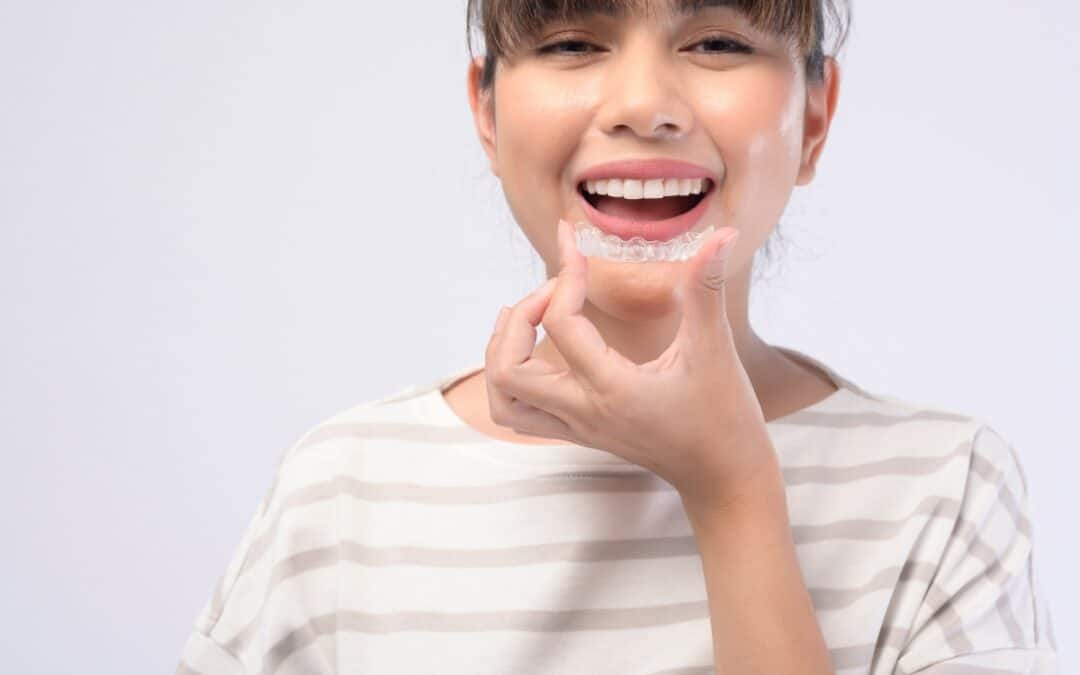
Invisalign is a modern orthodontic treatment that uses a series of clear, removable aligners to gradually straighten teeth. Unlike traditional metal braces, Invisalign aligners are nearly invisible, making them a popular choice for adults and teenagers who want a discreet orthodontic option.
How Invisalign Works
Invisalign aligners are custom-made for each patient using 3D imaging technology. The aligners fit snugly over the teeth and apply gentle pressure to move them into their proper positions. As the teeth shift, you will switch to a new set of aligners every few weeks, as directed by your orthodontist.
Invisalign for Diastema
Is Invisalign Effective for Diastema?
Yes, Invisalign can be effective for treating diastema. The aligners are designed to address spacing issues by gradually moving the teeth together. This makes Invisalign a viable option for many individuals with gaps between their teeth.
Advantages of Using Invisalign for Diastema
- Aesthetics: Invisalign aligners are clear and less noticeable than traditional braces, allowing you to improve your smile without drawing attention to your orthodontic treatment.
- Comfort: The smooth plastic of Invisalign aligners is more comfortable than metal braces, which can cause irritation to the gums and inner cheeks.
- Removability: Aligners can be removed for eating, drinking, and brushing, making oral hygiene easier and reducing dietary restrictions.
Success Rate
Invisalign has a high success rate for treating diastema, with many patients achieving the desired results within a few months to a year, depending on the severity of the gap. Patient satisfaction is generally high due to the comfort and convenience of the treatment.
The Treatment Process
Initial Consultation
The process begins with an initial consultation with an orthodontist or dentist. They will evaluate your teeth, discuss your goals, and determine if Invisalign is suitable for you.
Creating a Treatment Plan
If Invisalign is deemed appropriate, your orthodontist will take digital scans and photographs of your teeth. These will be used to create a 3D model of your mouth and design a customized treatment plan.
Wearing the Aligners
Once your aligners are ready, you will receive them along with instructions on how to wear and care for them. Typically, aligners should be worn for 20-22 hours a day and only removed for eating and brushing.
Monitoring Progress
Regular check-ups will be scheduled to monitor your progress and make any necessary adjustments. These visits ensure that your teeth are moving according to the plan and allow for any issues to be addressed promptly.
Potential Challenges and Considerations
Duration of Treatment
The length of treatment with Invisalign for diastema varies depending on the size of the gap and individual patient factors. On average, treatment can take anywhere from 6 months to a year.
Patient Compliance
Success with Invisalign depends on your adherence to wearing the aligners as instructed. Failure to wear them consistently can prolong treatment or affect the results.
Post-Treatment Care
Retention Phase
After completing Invisalign treatment, you will need to wear retainers to keep your teeth in their new positions. This helps prevent the gaps from reopening and maintains the results achieved.
Maintaining Results
Good oral hygiene practices, including regular brushing, flossing, and dental check-ups, are essential to keep your smile looking great and ensure that your results last.
Conclusion
Invisalign offers a modern, effective solution for fixing diastema, providing a comfortable and aesthetically pleasing alternative to traditional braces. With its clear aligners and flexible treatment process, Invisalign can help you achieve a confident, gap-free smile.