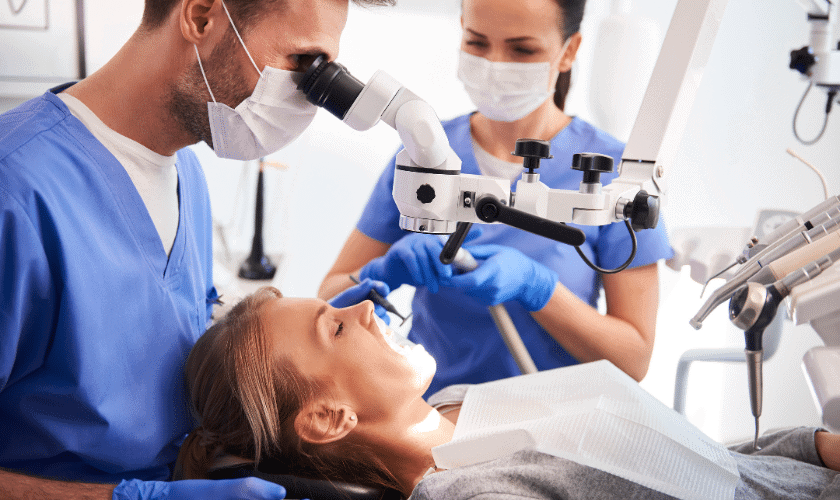
Quality dental care is a fundamental aspect of overall health and well-being, and this holds true for individuals with special needs. However, dental care can be particularly challenging for this group due to various physical, cognitive, and sensory impairments. In Tulsa, Oklahoma, a compassionate and dedicated community of dental professionals is working tirelessly to ensure that individuals with special needs receive the dental care they deserve. In this article, we will explore the importance of dental care for special needs patients and highlight the exceptional efforts being made in Tulsa to provide inclusive and compassionate treatment.
The Importance of Dental Care for Special Needs Patients
Dental Care is crucial for everyone, regardless of age, ability, or background. For special needs patients, maintaining oral health is especially vital because they may be more susceptible to dental issues due to factors such as:
- Communication Challenges: Special needs individuals may have difficulty communicating pain or discomfort, making it essential to monitor their oral health closely.
- Medication Side Effects: Some medications can affect oral health, leading to conditions like dry mouth or gum problems.
- Sensory Sensitivities: Sensory sensitivities can make dental visits overwhelming and distressing for some special needs patients.
- Limited Mobility: Physical limitations can make it difficult to perform routine oral hygiene tasks, increasing the risk of dental problems.
Unique Challenges Faced by Special Needs Patients
Special needs patients encompass a diverse group, including those with autism, Down syndrome, cerebral palsy, intellectual disabilities, and more. Each condition presents unique challenges that dental professionals in Tulsa are trained to address with sensitivity and expertise:
- Autism Spectrum Disorders (ASD): Individuals with ASD may have sensory sensitivities, communication difficulties, and anxiety about unfamiliar environments, all of which can make dental visits challenging.
- Down Syndrome: Individuals with Down syndrome may have delayed tooth eruption, crowded teeth, and a higher risk of gum disease, requiring specialized dental care.
- Cerebral Palsy: Limited mobility and muscle control can affect oral hygiene practices, leading to a higher risk of dental problems.
Compassionate Dental Care in Tulsa
Tulsa is home to dental practices and professionals who have made it their mission to provide compassionate dental care for special needs patients. Here’s how they are making a difference:
- Specialized Training: Dentists and dental staff in Tulsa often receive specialized training in treating patients with various special needs. This training equips them with the knowledge and skills needed to provide the best care possible.
- Sensory-Friendly Environments: Some dental offices in Tulsa are designed to be sensory-friendly, with calming colors, low lighting, and quiet waiting areas to help special needs patients feel more comfortable.
- Patient-Centered Care: Dental professionals in Tulsa understand that every special needs patient is unique. They take the time to get to know their patients, assess their specific needs, and create personalized treatment plans.
- Collaborative Approach: Dentists often work closely with other healthcare providers, including speech therapists, occupational therapists, and primary care physicians, to ensure comprehensive care for special needs patients.
- Behavioral Guidance: Dental professionals in Tulsa use behavioral guidance techniques, such as desensitization and positive reinforcement, to help special needs patients feel more at ease during dental visits.
Tips for Parents and Caregivers
If you are a parent or caregiver of a special needs individual in Tulsa, here are some tips to ensure their dental care journey is as smooth as possible:
- Start Early: Introduce dental care routines at a young age to build familiarity and comfort with oral hygiene practices.
- Communication: Communicate with the dental office in advance about your loved one’s specific needs, triggers, and preferences.
- Social Stories: Create social stories or visual aids to help your loved one understand what to expect during a dental visit.
- Regular Check-ups: Schedule regular dental check-ups and cleanings to prevent dental problems and address any issues promptly.
- Choose a Specialized Dentist: Seek out a dental professional in Tulsa with experience in treating special needs patients.
ConclusionDental care is a universal right, and the compassionate dental professionals in Tulsa are dedicated to ensuring that individuals with special needs receive the same level of care and attention as anyone else. By addressing the unique challenges and sensitivities of special needs patients and providing specialized training and patient-centered care, Tulsa’s dental community is making a significant impact on the oral health and overall well-being of these individuals. With their commitment to inclusivity and compassion, they are ensuring that no one is left behind when it comes to dental health in Tulsa.