
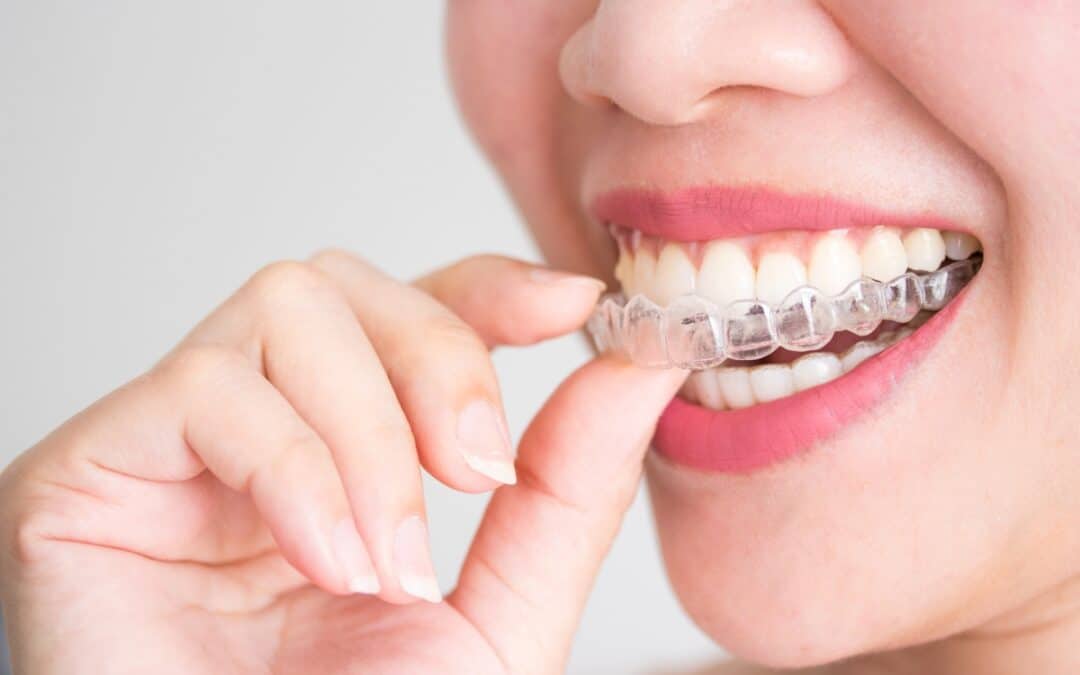
Invisalign aligners are a popular choice for those seeking a discreet and effective way to straighten their teeth. Maintaining the cleanliness of your Invisalign is crucial for both oral health and the longevity of the aligners. In this guide, we will detail the best practices for cleaning Invisalign aligners, ensuring they remain clear, odor-free, and effective.
The Importance of Proper Invisalign Cleaning
Proper cleaning of Invisalign aligners is essential to prevent the buildup of bacteria, plaque, and tartar, which can lead to dental issues such as cavities and gum disease. Clean aligners also maintain their transparency, providing the aesthetic benefit that Invisalign users desire.
Daily Cleaning Routine for Invisalign
Morning and Evening Cleaning
To keep your aligners in pristine condition, clean them both in the morning and at night. Here’s a step-by-step guide:
- Rinse with Lukewarm Water: Begin by rinsing your aligners with lukewarm water to remove any saliva or debris.
- Brush Gently: Use a soft-bristled toothbrush to gently brush your aligners. Avoid using toothpaste, as it can be abrasive and cause scratches.
- Use Clear Anti-bacterial Soap: Opt for a clear, anti-bacterial soap to clean your aligners. This helps eliminate bacteria without damaging the material.
- Rinse Thoroughly: After brushing and soaping, rinse your aligners thoroughly with lukewarm water.
Throughout the Day
- Rinse After Meals: Always rinse your aligners with water after meals to prevent food particles from sticking.
- Brush After Eating: Brush your teeth before reinserting your aligners to avoid trapping food particles.
Weekly Deep Cleaning
In addition to your daily routine, a weekly deep cleaning is recommended:
- Soak in Invisalign Cleaning Crystals: Once a week, soak your aligners in a solution of Invisalign cleaning crystals or a similar cleaning solution designed for aligners. This helps to remove any built-up plaque or stains.
- Brush After Soaking: After soaking, brush your aligners gently to ensure all residue is removed.
- Rinse Thoroughly: Ensure you rinse the aligners thoroughly with water before reinserting them.
What to Avoid When Cleaning Invisalign
Harsh Chemicals and Toothpaste
Avoid using harsh chemicals such as bleach or abrasive toothpaste on your aligners. These substances can damage the material and reduce the effectiveness of the aligners.
Hot Water
Never use hot water to clean your aligners, as it can warp the plastic and affect the fit of your Invisalign.
Colored Soaps
Avoid using colored soaps or those with strong fragrances. These can stain your aligners and leave an unpleasant taste.
Additional Tips for Maintaining Invisalign Hygiene
Storing Your Aligners
When not in use, store your Invisalign aligners in their case. This prevents exposure to bacteria and reduces the risk of losing them.
Cleaning the Storage Case
Regularly clean the storage case with anti-bacterial soap and water to prevent bacteria buildup.
Avoiding Staining Foods and Drinks
Limit the consumption of foods and drinks that can stain your aligners, such as coffee, tea, and red wine. Always remove your aligners when consuming these items.
Troubleshooting Common Issues
Dealing with Cloudy Aligners
If your aligners become cloudy, soak them in a mixture of half water and half vinegar for about 30 minutes, then brush gently and rinse thoroughly.
Removing Stubborn Stains
For stubborn stains, use a small amount of baking soda with water to create a paste. Gently brush the stained areas and rinse thoroughly.
Conclusion
Maintaining the cleanliness of your Invisalign aligners is paramount for both oral health and the overall success of your orthodontic treatment. By adhering to a consistent daily and weekly cleaning routine, using the correct cleaning agents, and avoiding harmful substances and practices, you can keep your aligners in optimal condition. Remember to store your aligners properly and stay vigilant about oral hygiene to ensure your Invisalign treatment proceeds smoothly and effectively. With these practices, you’ll not only protect your investment in a beautiful smile but also ensure it arrives as planned, clear and healthy.