
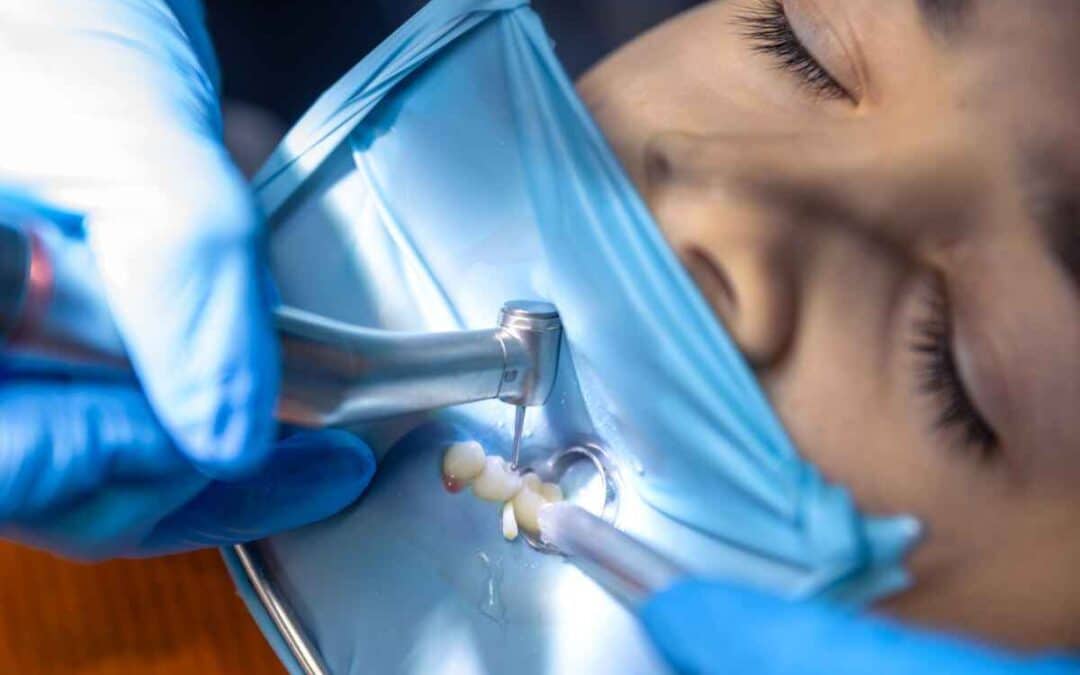
A root canal leaves the treated tooth and surrounding gum tissue a little tender, and most patients wonder what they’re allowed to do afterward when it comes to brushing. Good oral hygiene matters even more after any dental procedure, but you also don’t want to disturb the area while it’s healing.
Here’s what we tell our own patients when they ask whether they can brush their teeth right after a root canal.
Can You Brush Right Away?
You can brush your teeth the same day after your root canal, but it’s best to wait until the numbness fully wears off. Brushing while numb, makes it easy to scrub too aggressively or accidentally injure your cheek or gums without realizing it.
Once the numbness fades, gentle brushing is safe for the surrounding teeth. The only part you’ll want to treat with extra care is the area directly around the treated tooth. That tooth is often sensitive for a short period due to irritated tissue, and brushing too firmly can make that discomfort worse.
What Happens After a Root Canal Treatment
A root canal removes infected pulp from inside the tooth and seals the space. The inside of the tooth is no longer painful, but the tissue around the roots is still recovering, which can lead to temporary sensitivity, mild swelling, and discomfort when chewing.
This healing process is normal, and your brushing routine simply needs to respect that sensitive area.
When It’s Best to Resume Normal Brushing
Most people can return to normal brushing within 24–48 hours, but “normal” should still mean gentle.
Here’s a general timeline:
- Same day: Brush once the numbness is gone, but stay light-handed near the treated tooth.
- 1–2 days after treatment: Gradually return to your usual brushing pressure if the tooth feels comfortable.
- After the final crown: Once the permanent crown is placed, the tooth becomes more stable and easier to clean without sensitivity.
If the tooth still feels tender after a couple of days, there’s no harm in keeping a soft approach a little longer.
How to Brush Safely After a Root Canal
Brushing after a root canal isn’t complicated, but a few adjustments help protect the area while it heals.
Use a soft-bristled toothbrush
A soft brush cleans well without irritating the gums or the treated tooth. Many patients find this helps reduce post-procedure sensitivity.
Take your time around the treated tooth
Let the bristles skim the area instead of pressing down. If the tooth is temporary-filled and waiting for a crown, gentle brushing also helps avoid dislodging the temporary material.
Use a non-abrasive toothpaste
Toothpastes formulated for sensitivity or enamel protection are usually more comfortable during the first few days.
Brush in small, circular motions
Instead of scrubbing back and forth, circles and short strokes help lift plaque without friction.
Rinse with warm salt water
If the gums feel sore, a simple saltwater rinse can calm the tissue and make brushing easier.
Common Mistakes to Avoid After a Root Canal
Even well-intentioned brushing can cause discomfort if you’re not mindful. Here are a few habits to steer clear of:
- Brushing too hard: Extra pressure doesn’t clean better; it only irritates recovering tissue.
- Using whitening toothpaste: Most are more abrasive and can heighten sensitivity.
- Skipping brushing near the treated tooth: Avoiding the area entirely can lead to plaque buildup and gum inflammation.
- Using a stiff toothbrush: Hard bristles can make healing more uncomfortable and add unnecessary pressure.
Need Help After a Root Canal? Contact Utica Dental of Tulsa
If you’re unsure whether your brushing routine is helping or hindering your healing, we’re here to guide you. Whether you’ve just had a root canal or you’re preparing for one, our team can walk you through what to expect and how to care for your tooth every step of the way.
Call Utica Dental of Tulsa at 918.673.2601 to schedule your root canal appointment today.
Frequently Asked Questions
- Is It Safe to Use Electric Toothbrushes After a Root Canal?
Yes, you can use an electric toothbrush after a root canal, but keep the pressure light—most electric brushes do the work for you. If the area feels tender, switch to a sensitive or low-power mode until the tooth calms down. Avoid lingering too long on the treated tooth during the first day or two.
- What Kind of Toothpaste Should You Use After a Root Canal?
A non-abrasive, gentle toothpaste is best, especially one designed for sensitive teeth. These formulas reduce irritation and help calm nerve endings around the treated area. It’s best to skip whitening or charcoal toothpastes for a few days, as they can be too abrasive and increase sensitivity.
- What Should You Do if You Experience Pain While Brushing After a Root Canal?
If brushing causes discomfort, slow down and lighten the pressure around the treated tooth. Switching to a soft-bristled toothbrush or sensitive toothpaste often helps. Rinse with warm salt water to soothe the area. If brushing continues to cause sharp pain after several days, it’s worth calling your dentist to make sure the tooth is healing properly.
- Can Brushing Too Soon Affect the Healing Process?
Brushing too soon isn’t usually harmful, but brushing too aggressively can irritate inflamed tissue and prolong tenderness. Waiting until the numbness wears off, then brushing gently, allows you to maintain oral hygiene without disturbing the healing tooth.