
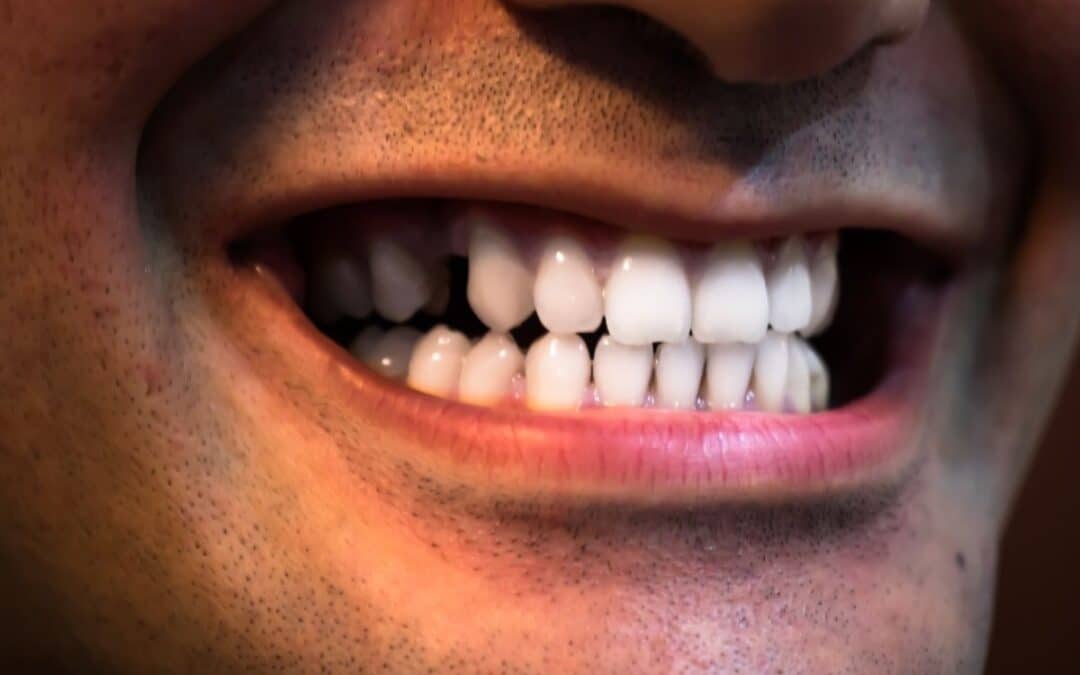
A brighter smile can boost confidence, but many people in Tulsa and nearby communities like Broken Arrow and Bixby struggle with teeth that appear yellow over time. Whether it’s due to diet, aging, or daily habits, discoloration is common and treatable. If you’ve been searching for teeth whitening in Tulsa, it’s important to understand your options and choose methods that are both safe and effective. This guide walks you through the causes of yellow teeth, practical at-home solutions, and when it’s best to seek professional advice for lasting results.
Why Teeth Lose Their Brightness Over Time
To whiten your teeth effectively, it helps to know what causes discoloration in the first place.
- Everyday foods and drinks: Coffee, tea, soda, and richly colored foods can stain enamel.
- Enamel thinning: As enamel wears down with age, the yellowish dentin underneath becomes more visible.
- Inconsistent oral care: Plaque buildup from poor brushing and flossing can make teeth look dull.
- Tobacco use: Smoking or chewing tobacco leads to stubborn stains.
- Certain medications: Some antibiotics and treatments can affect tooth color.
Understanding the root cause helps you choose the right whitening approach.
Simple Habits That Make a Big Difference
Before trying whitening products, start with foundational oral care habits. These small changes can noticeably improve tooth color over time.
- Brush twice daily for at least two minutes
- Use a whitening toothpaste for surface stains
- Floss daily to remove plaque between teeth
- Rinse your mouth after consuming staining foods or drinks
Consistency here not only helps with whitening but also protects your enamel from damage.
Safe At-Home Whitening Methods to Try
Many people prefer to begin with at-home solutions. While results may vary, these methods can help reduce mild discoloration when used carefully.
Baking Soda and Peroxide Paste
A mixture of baking soda and hydrogen peroxide can help lift surface stains. Baking soda acts as a gentle abrasive, while peroxide has mild bleaching properties. Use sparingly, about once or twice a week, to avoid enamel wear.
Whitening Strips or Kits
Over-the-counter whitening strips and trays are popular for a reason. They contain safe levels of bleaching agents and can lighten teeth by a few shades when used as directed.
Oil Pulling for Oral Health
Swishing coconut oil in your mouth may help reduce bacteria and plaque buildup. While results are subtle, it can support overall oral hygiene and contribute to a cleaner-looking smile.
Activated Charcoal (Use with Caution)
Some people use charcoal to remove stains, but it can be abrasive. Occasional use may help, but overuse can damage enamel.
What to Be Careful With
Not all “natural” remedies are safe. Some can actually worsen discoloration or harm your teeth.
- Acidic solutions (like lemon or vinegar): These can erode enamel
- Over-brushing: Brushing too hard can wear down protective enamel
- Frequent DIY treatments: Too much whitening can lead to sensitivity
For reliable guidance on safe oral care practices, you can refer to the American Dental Association:
When Professional Whitening Makes Sense
At-home methods work well for mild staining, but deeper discoloration often requires professional care. A dentist can provide:
- Stronger whitening agents for faster, more noticeable results
- Custom trays for even application
- Guidance for sensitive teeth to minimize discomfort
Professional treatments are especially helpful if your stains are caused by aging, medication, or long-term habits.
Maintaining Your Results Long-Term
Whitening your teeth is only part of the process; keeping them white requires ongoing care.
- Limit coffee, tea, and soda when possible
- Use a straw to reduce contact with teeth
- Maintain regular dental cleanings
- Follow a consistent oral hygiene routine
Small daily habits go a long way in preserving your brighter smile.
Finding the Right Approach for You
There’s no one-size-fits-all solution when it comes to whitening for yellow teeth. The best option depends on your lifestyle, the severity of discoloration, and your oral health. Some people see great results with simple at-home changes, while others benefit more from professional treatments.
Conclusion
Yellow teeth are a common concern, but safe and effective solutions are within reach. By understanding the causes, choosing the right whitening methods, and maintaining good oral hygiene, you can achieve a healthier, brighter smile over time. If you’re unsure where to start or want faster, longer-lasting results, it’s always best to consult a dental professional. The team at Utica Dental Tulsa is here to help you explore your options and take the next step toward a more confident smile. Contact us today to get started.