
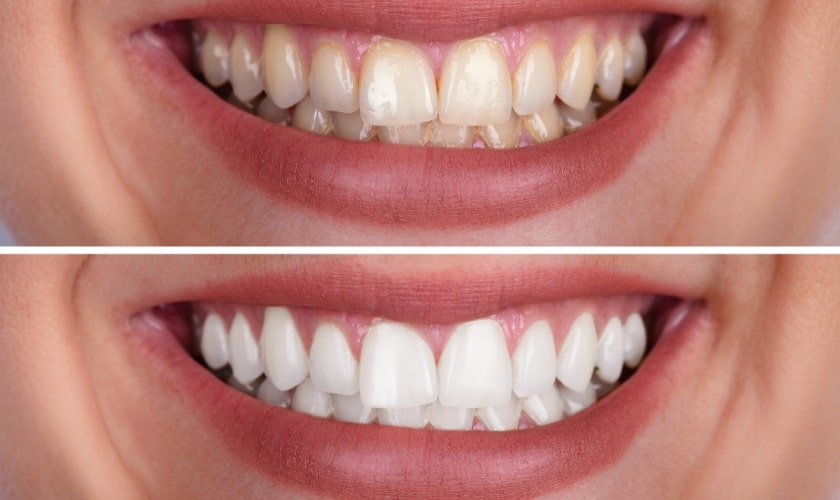
Ready to flash your pearly whites? Teeth whitening is one of the most sought-after cosmetic dental procedures, and it’s no surprise – a bright smile can boost confidence, improve first impressions, and enhance overall appearance. But did you know that there’s more to teeth whitening than meets the eye? In this post, we’ll uncover 10 surprising facts about teeth whitening that you need to know before booking an appointment with your dentist or trying out DIY treatments at home. From tooth sensitivity to natural remedies, we’ve got all the details on achieving a dazzling smile safely and effectively. So sit back, grab a cup of coffee (or tea), and prepare to learn something new about your pearly whites!
The difference between in-office and at-home teeth whitening treatments
There are two main types of teeth whitening treatments: in-office and at-home. In-office teeth whitening is done by a dentist or other trained professional, and usually takes one to two hours. At-home teeth whitening is done using a kit that you can purchase at most drugstores. Both types of teeth whitening treatments use bleaching agents to remove stains and discoloration from teeth.
In-office teeth whitening is more expensive than at-home treatment, but it is also more effective. In most cases, in-office treatments will make your teeth several shades lighter after just one session. At-home treatments may take multiple sessions to achieve the same results.
One advantage of at-home teeth whitening is that it is more convenient than going to the dentist for an appointment. You can do it on your own time, and you don’t have to take time off work or school for an appointment. At-home treatment is also generally less painful than in-office treatment, because the bleaching agents used are not as strong.
The average cost of teeth whitening
If you’re considering teeth whitening, you may be wondering how much it will cost. The average cost of teeth whitening can vary greatly depending on the method you choose.
Professional teeth whitening done by a dentist can cost upwards of $650. This is usually the most expensive option, but it’s also the most effective. If you’re looking for a more affordable option, there are at-home teeth whitening kits that start at around $30. These are not as strong as professional treatments, but they can still give you noticeable results.
There are also many DIY teeth whitening methods that use household ingredients like baking soda or hydrogen peroxide. These can be very effective, but they take longer to work and may not be as gentle on your teeth as commercial products.
No matter which method you choose, make sure to do your research and talk to your dentist before starting any type of teeth whitening treatment.
How long teeth whitening results last
One of the most common questions we get asked about teeth whitening is “How long do the results last?”. The answer may surprise you – it depends!
There are a few factors that will affect how long your teeth stay white after whitening. First, let’s look at the types of teeth whitening treatments available:
1. Over-the-counter teeth whitening products:
These include things like whitening strips, gels, and toothpastes. The results from these products can last anywhere from a few days to a couple of months.
2. Professional in-office teeth whitening:
This type of treatment is done by a dentist or dental professional in their office. It generally uses stronger bleaching agents than what you would find in over-the-counter products, so the results tend to last longer – anywhere from 3 to 6 months.
3. Take-home professional teeth whitening kits:
These kits are usually provided by your dentist or another dental professional. They contain custom-fitted mouth trays and bleaching gel which you use at home for a specific period of time (usually 2 weeks). Results from take-home kits can last anywhere from several months to over a year.
Now that we’ve looked at the different types of teeth whitening treatments available, let’s look at some other factors that can affect how long your results last:
The best way to maintain your teeth whitening results
If you’ve recently had your teeth whitened, you’re probably wondering how you can maintain your results. Luckily, there are a few easy steps you can take to keep your teeth looking their best.
To maintain your results, it’s important to avoid foods and drinks that can cause staining. These include coffee, tea, red wine, and dark-colored fruits and vegetables. It’s also important to brush your teeth twice a day and floss daily.
If you smoke cigarettes or use other tobacco products, it’s especially important to brush and floss regularly as these can cause severe staining. In addition, try to avoid touching your teeth with your fingers or eating sticky foods that can adhere to your teeth and cause staining.
Finally, be sure to visit your dentist regularly for cleanings. They can help remove any build-up on your teeth that could cause staining.
The side effects of teeth whitening
The first thing to know about teeth whitening is that, like any other cosmetic procedure, it comes with some risks. The most common side effect of teeth whitening is tooth sensitivity. This usually goes away within a few days after the procedure, but some people may experience it for longer periods of time. Other possible side effects include gum irritation, white spots on the teeth, and increased tooth sensitivity to hot or cold drinks.
Is teeth whitening worth it?
If you’re considering teeth whitening, you may be wondering if it’s worth the investment. Here are a few things to keep in mind:
1. Teeth whitening is not a one-time treatment. You may need to touch up your teeth periodically to maintain your desired level of whiteness.
2. Teeth whitening can cause sensitivity. If you have sensitive teeth, you may want to consider a gentler teeth whitening method.
3. Teeth whitening is not covered by dental insurance. Be sure to factor in the cost of treatment when deciding whether or not to whiten your teeth.
4. Results vary from person to person. Some people see dramatic results from teeth whitening, while others see more subtle changes.
5. Teeth whitening is safe when done as directed. Be sure to follow the instructions of your chosen teeth whitening method to avoid any potential risks.
Conclusion
Teeth whitening can have a big impact on your smile. It’s important to know the facts before you decide if this is the right option for you. Now that you’re acquainted with the basics of teeth whitening, as well as some surprising information, it should be easier to determine which route is best for you and your teeth. If in doubt, always start by consulting a dentist who will give tailored advice based on your individual needs and circumstances.
FAQs
Is teeth whitening safe?
Yes, teeth whitening is safe when done according to the instructions of your dentist or teeth whitening kit. You may experience some temporary tooth sensitivity after teeth whitening, but this is usually temporary and will subside within a few days.