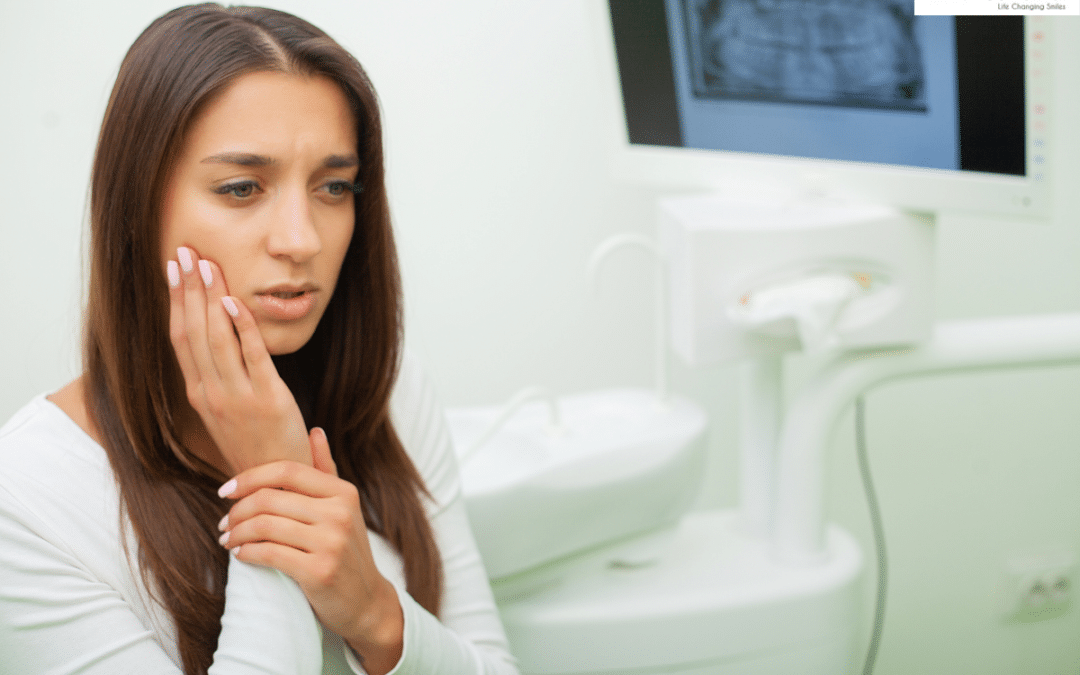
A toothache can start as a minor annoyance and quickly become the only thing you can think about.
Maybe it started after dinner. Maybe you woke up in the middle of the night with throbbing pain. Or perhaps you noticed swelling around a tooth and hoped it would disappear on its own.
But how do you know when you need an emergency dentist instead of waiting for your next regular appointment?
The answer depends on the symptoms. Some dental problems can safely wait a day or two, while others need prompt attention to prevent the problem from getting worse.
If you’re in Tulsa and experiencing sudden or severe dental pain, here are six warning signs you shouldn’t ignore.
1. Severe or Persistent Tooth Pain
A tooth that hurts badly or continues hurting for hours shouldn’t simply be ignored.
Severe pain can be associated with deep decay, inflammation inside the tooth, an infection, or dental trauma. Pain that makes it difficult to eat, sleep, work, or concentrate deserves professional attention.
An emergency dentist can examine the tooth and determine what’s causing the pain rather than simply treating the symptom.
Watch for pain that:
- Starts suddenly or becomes intense
- Keeps you awake at night
- Gets worse when you bite or chew
- Continues despite over-the-counter pain medication
- Comes with swelling or sensitivity
A toothache doesn’t automatically mean you need emergency treatment, but severe or worsening pain is a good reason to contact a dental office promptly.
2. Your Face or Gums Are Swelling
Swelling around a tooth or in your gums can be a sign of infection.
If the swelling is spreading into your cheek, jaw, or face, don’t wait to see whether it disappears. Dental infections can become more serious when left untreated.
An emergency dentist can evaluate the affected area, identify the likely source of the infection, and recommend appropriate treatment.
If swelling is accompanied by difficulty breathing or swallowing, significant facial swelling, or a rapidly worsening condition, seek emergency medical care immediately.
3. You Knocked Out or Seriously Damaged a Tooth
Accidents happen.
A fall, sports injury, car accident, or even biting into something unexpectedly hard can damage a tooth.
If a permanent tooth is completely knocked out, time matters. Carefully pick it up by the crown—not the root—and avoid scrubbing it. If possible, keep it moist and contact a dental professional immediately.
For a severely broken, cracked, or displaced tooth, prompt evaluation can help determine whether the tooth can be preserved.
An emergency dentist can assess the damage and explain whether the tooth needs repair, stabilization, root canal treatment, or another form of care.
4. You Have Uncontrolled Bleeding
A little bleeding after certain dental procedures can be expected. Persistent or heavy bleeding, however, shouldn’t be dismissed.
If you have bleeding that doesn’t stop after applying gentle pressure with clean gauze, contact your dentist promptly.
Dental trauma can also cause significant bleeding, particularly when the gums, lips, or teeth have been injured.
If the bleeding is severe or you feel faint or unwell, seek emergency medical attention.
5. Your Tooth Is Extremely Sensitive to Hot or Cold
Not every sensitivity issue is a dental emergency.
However, there’s an important difference between a brief twinge and pain that lingers long after you’ve finished drinking or eating.
Lingering sensitivity can sometimes indicate that the pulp inside the tooth has become inflamed or damaged. Other possible causes include decay, a crack, worn enamel, or exposed tooth roots.
An emergency dentist can determine whether the sensitivity is something that needs immediate treatment or can be addressed during a routine visit.
6. A Dental Abscess or Pimple Has Appeared on Your Gum
Have you noticed a small bump, pimple-like spot, or swelling near a tooth?
It could be an indication of an abscess or another type of dental infection.
You may also notice:
- A bad taste in your mouth
- Pus or drainage
- Swelling
- Tenderness
- Fever
- A persistent toothache
Even if the pain temporarily improves, an infection still needs professional evaluation.
Don’t try to pop or drain the area yourself.
Emergency Dental Symptoms at a Glance
| Symptom | Should you seek prompt care? | Why it matters |
|---|---|---|
| Severe tooth pain | Yes | May indicate deep decay, inflammation, or infection |
| Facial or gum swelling | Yes | Can be associated with dental infection |
| Knocked-out permanent tooth | Yes | Prompt treatment may improve the chance of saving it |
| Severely broken tooth | Yes | Damage may expose sensitive inner tooth structures |
| Uncontrolled bleeding | Yes | May require immediate professional attention |
| Gum abscess or drainage | Yes | Can indicate an infection |
| Mild, occasional sensitivity | Usually less urgent | May be appropriate for a regular dental visit |
What Should You Do While Waiting to See a Dentist?
If you can’t get to a dental office immediately, a few simple steps may help protect the affected area.
For a knocked-out tooth: Handle it by the crown and keep it moist. Don’t scrub the root.
For swelling: A cold compress against the outside of your cheek may help with discomfort and swelling.
For a damaged tooth: Avoid chewing on that side of your mouth and keep the area clean.
For pain: Follow the directions on any over-the-counter medication you normally can take. Don’t place aspirin directly against your tooth or gums, as this can irritate the tissue.
Most importantly, don’t use temporary relief as a reason to ignore a potentially serious dental problem.
When Should You Call an Emergency Dentist?
If you’re unsure whether your symptoms qualify as a dental emergency, it’s better to call and explain what you’re experiencing.
An emergency dentist can help determine how quickly you should be seen and what steps you should take in the meantime.
For Tulsa residents, this can be particularly important when dental problems happen outside your normal routine. A painful tooth doesn’t care whether it’s Monday morning, Friday evening, or the middle of a busy workweek.
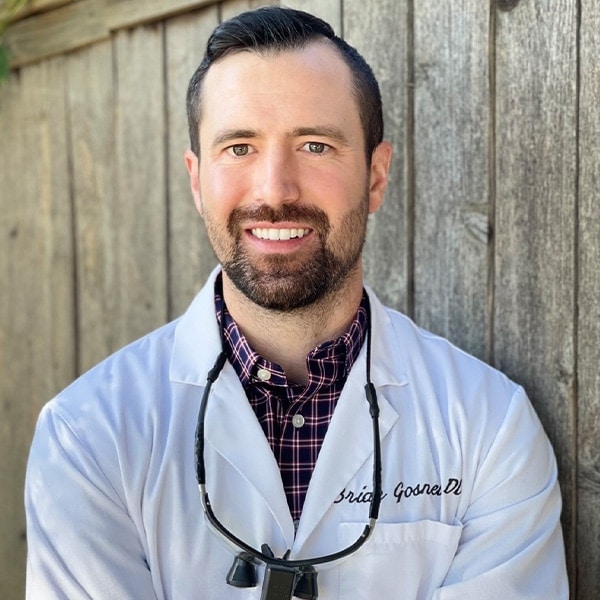
At Utica Dental of Tulsa, Dr. Matthew E. Walker and Dr. Brian Gosnell provide general, cosmetic, restorative, and emergency dental care for patients in Tulsa and surrounding communities.
The office is located at 1720 S Utica Ave, Tulsa, OK 74104, near Utica Square and St. John Medical Center. For dental concerns or to schedule an evaluation, call 918-673-2601.
Frequently Asked Questions
What qualifies as a dental emergency?
Severe tooth pain, significant swelling, uncontrolled bleeding, a knocked-out permanent tooth, serious dental trauma, or signs of infection may require urgent dental attention.
Should I go to an emergency dentist for a toothache?
If your toothache is severe, persistent, worsening, or accompanied by swelling, fever, trauma, or other concerning symptoms, contacting an emergency dentist is appropriate. A dental examination can determine the cause and urgency.
Can a tooth infection go away on its own?
Dental infections generally require professional evaluation and treatment. Even if pain temporarily improves, the underlying infection may still be present.
What should I do if my permanent tooth gets knocked out?
Handle the tooth by the crown, not the root. Avoid scrubbing it, keep it moist if possible, and contact a dental professional immediately. Prompt attention is important when trying to save a knocked-out permanent tooth.
When should I go to the ER instead of a dentist?
If a dental problem causes difficulty breathing or swallowing, severe facial swelling, uncontrolled bleeding, or other potentially life-threatening symptoms, seek emergency medical care immediately. For dental problems that aren’t life-threatening but require urgent attention, contact an emergency dentist.
Don’t Ignore What Your Tooth Is Telling You
A toothache doesn’t always mean something serious—but severe pain, swelling, trauma, or signs of infection shouldn’t be brushed aside.
Getting the problem evaluated early can help you understand what’s happening and prevent a manageable dental issue from becoming more complicated.
If you’re experiencing an urgent dental problem in Tulsa, contact Utica Dental of Tulsa at 918-673-2601 to discuss your symptoms and arrange an evaluation.