
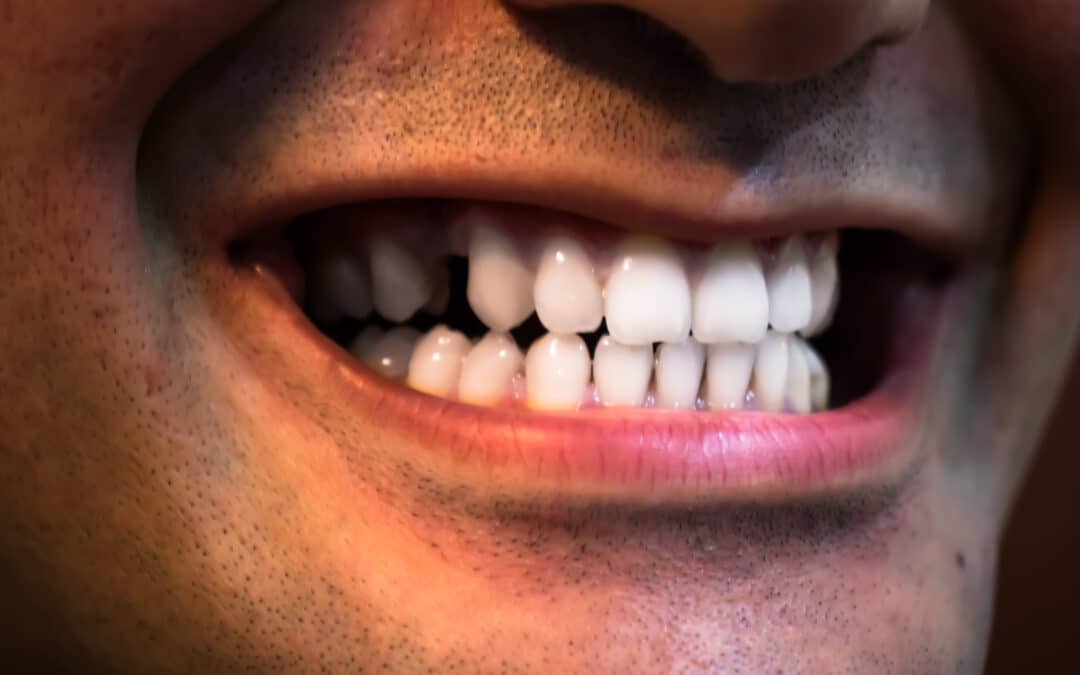
Losing a tooth can happen for many reasons. Maybe you had an accident while playing sports, developed severe tooth decay, or needed an extraction because of an infection. Whatever the reason, it can be tempting to put off replacing the tooth—especially if the gap isn’t causing pain.
But what happens if you don’t replace a missing tooth?
The answer depends on your individual oral health, the location of the missing tooth, and how long the tooth has been gone. In many cases, leaving a gap untreated can affect more than just your smile. It may influence chewing, the position of neighboring teeth, and the health of the bone that once supported the tooth.
If you’re missing a tooth and wondering whether you really need to replace it, here’s what you should know before making a decision.
1. Your Neighboring Teeth May Start to Shift
Your teeth don’t exist independently. They work together as a system.
When one tooth is missing, the teeth next to the open space may gradually move or tilt toward the gap. The opposing tooth may also move into the empty space.
Over time, these changes can affect the way your upper and lower teeth come together when you bite.
This is one reason why what happens if you don’t replace a missing tooth can become more complicated over time. A gap that initially seems harmless may eventually contribute to changes in your bite and make future dental treatment more involved.
2. You May Have More Difficulty Chewing
Every tooth has a role.
Molars help grind food. Front teeth help bite and tear. When one or more teeth are missing, the remaining teeth may have to do more work.
You may find yourself chewing primarily on one side of your mouth or avoiding certain foods altogether.
If you live an active lifestyle or enjoy Tulsa’s many local restaurants and food spots, you probably don’t want a missing tooth to dictate what you can comfortably eat. Replacing a missing tooth may help restore your ability to chew more normally, depending on your individual situation.
3. Your Jawbone May Gradually Lose Volume
Natural tooth roots stimulate the surrounding jawbone.
When a tooth is removed, that stimulation is lost in the area where the root used to be. Over time, the bone may gradually shrink or change shape.
This process is called bone resorption.
The amount of bone loss varies from person to person, and it doesn’t necessarily mean you will experience noticeable symptoms immediately. However, changes in bone volume can become an important consideration if you decide to pursue dental implants later.
A dental implant is designed to replace the root portion of a missing tooth and may help maintain bone in the treated area. However, not every patient is automatically a candidate for an implant, and some people may require additional treatment before implant placement.
4. Your Bite May Change
When teeth shift after a tooth is lost, your bite can change.
You might notice that your teeth no longer come together in exactly the same way. In some cases, changes in your bite can contribute to uneven wear or place additional stress on certain teeth.
That doesn’t mean every missing tooth will automatically cause a serious bite problem. The impact depends on factors such as the location of the missing tooth, the number of teeth missing, and your existing bite.
That’s why an evaluation by a dental professional is important.
5. Your Remaining Teeth May Face Additional Stress
When a tooth is missing, the remaining teeth may compensate for the lost tooth.
For example, if you are missing a molar, you may unconsciously rely more heavily on other teeth when chewing. Over time, this can increase the workload on the remaining teeth.
This is another reason what happens if you don’t replace a missing tooth deserves careful consideration. Replacing a missing tooth isn’t only about filling a visible gap. It’s also about maintaining the balance and function of your mouth.
What Are Your Options for Replacing a Missing Tooth?
The good news is that you have options.
The best solution depends on your oral health, the number of missing teeth, the condition of your gums and jawbone, your bite, and your personal preferences.
| Tooth Replacement Option | What It Is | Potential Advantages |
|---|---|---|
| Dental Implant | A replacement tooth supported by an implant placed in the jawbone | Fixed option that can closely mimic a natural tooth |
| Dental Bridge | A restoration that replaces a missing tooth using support from neighboring teeth | Fixed replacement without a removable appliance |
| Partial Denture | A removable appliance that replaces one or more missing teeth | Can replace multiple missing teeth |
| Complete Denture | A removable appliance designed to replace all teeth in an arch | Option for extensive tooth loss |
There is no single solution that is right for everyone. A consultation can help you understand the advantages, limitations, expected timeline, and maintenance requirements of each option.
Are Dental Implants Always the Best Choice?
Dental implants are a popular option for replacing missing teeth, but “best” depends on the patient.
A dentist may evaluate your gum health, bone volume, bite, overall oral health, and other factors before recommending an implant.
In some situations, a bridge or partial denture may be a more appropriate choice.
The important thing is to avoid making a decision based solely on online advertisements or price. A personalized examination can help you understand your options and make an informed decision.
Why You Shouldn’t Ignore a Missing Tooth
So, what happens if you don’t replace a missing tooth?
You may experience no immediate problems—or you may eventually notice changes in chewing, tooth position, bite, or bone structure. The longer a gap remains, the more important it becomes to have a dental professional evaluate the area and discuss your options.
That doesn’t mean every missing tooth needs to be replaced immediately. In some cases, a dentist may recommend monitoring the area. But you should understand the potential consequences before deciding to leave the space untreated. If you’re considering dental implants, bridges, or other tooth replacement options, contact Utica Dental of Tulsa at +1 918-673-2601 to schedule a consultation and discuss your options.
Meet Dr. Matthew E. Walker
At Utica Dental of Tulsa, patients can discuss tooth replacement options with Dr. Matthew E. Walker, who has pursued continuing education in areas including dental implants, cosmetic dentistry, Invisalign, laser gum therapy, and cosmetic reconstruction.
His experience and ongoing professional education allow patients to have a broader conversation about how restorative treatment may fit into their overall dental goals.
If you are unsure what happens if you don’t replace a missing tooth, Dr. Walker and the Utica Dental of Tulsa team can evaluate your individual situation and help you understand your options.
What Do U.S. Dental Organizations Say?
When researching missing teeth and tooth replacement, it’s helpful to rely on reputable professional organizations rather than social media advice or unverified online claims.
The American Dental Association (ADA) provides consumer education on oral health and dental care.
The National Institute of Dental and Craniofacial Research (NIDCR), part of the National Institutes of Health, provides evidence-based information about oral health, tooth loss, and dental conditions.
The American College of Prosthodontists (ACP) focuses on the diagnosis, treatment, and maintenance of oral function and appearance related to missing or damaged teeth.
These organizations are useful starting points for patients who want reliable information before discussing treatment with their dentist.
Frequently Asked Questions
1. What happens if you don’t replace a missing tooth?
A missing tooth may lead to changes in chewing, shifting of neighboring teeth, changes in your bite, and gradual bone loss in the area. However, the effects vary depending on the tooth that is missing and your individual oral health.
2. How long can I wait to replace a missing tooth?
There is no universal timeline for every patient. Some people may wait months or years, but delaying treatment can allow changes in the surrounding teeth and bone to occur. Your dentist can evaluate the area and explain whether waiting is appropriate.
3. Is a dental implant better than a bridge?
Neither option is automatically better for every patient. Implants and bridges have different advantages and considerations. Your dentist can compare the options based on your bone health, neighboring teeth, oral hygiene, and personal preferences.
4. Can I get a dental implant years after losing a tooth?
Possibly. However, bone loss can occur after tooth loss, and some patients may need additional treatment before an implant can be placed. An examination and appropriate imaging can help determine whether an implant is a suitable option.
5. Do I really need to replace one missing back tooth?
Not necessarily in every situation, but it is worth discussing with your dentist. The location of the missing tooth, your bite, remaining teeth, and overall oral health all influence the decision.
Don’t Let a Missing Tooth Become an Afterthought
A missing tooth may not hurt, but that doesn’t mean it has no impact on your oral health.
If you’re still wondering what happens if you don’t replace a missing tooth, the best next step is to have the area evaluated by a dental professional. Understanding your options now can help you make a more informed decision about your smile and long-term oral health.
If you’re considering dental implants, bridges, or other tooth replacement options, contact Utica Dental of Tulsa at +1 918-673-2601 to schedule a consultation and discuss your options.