
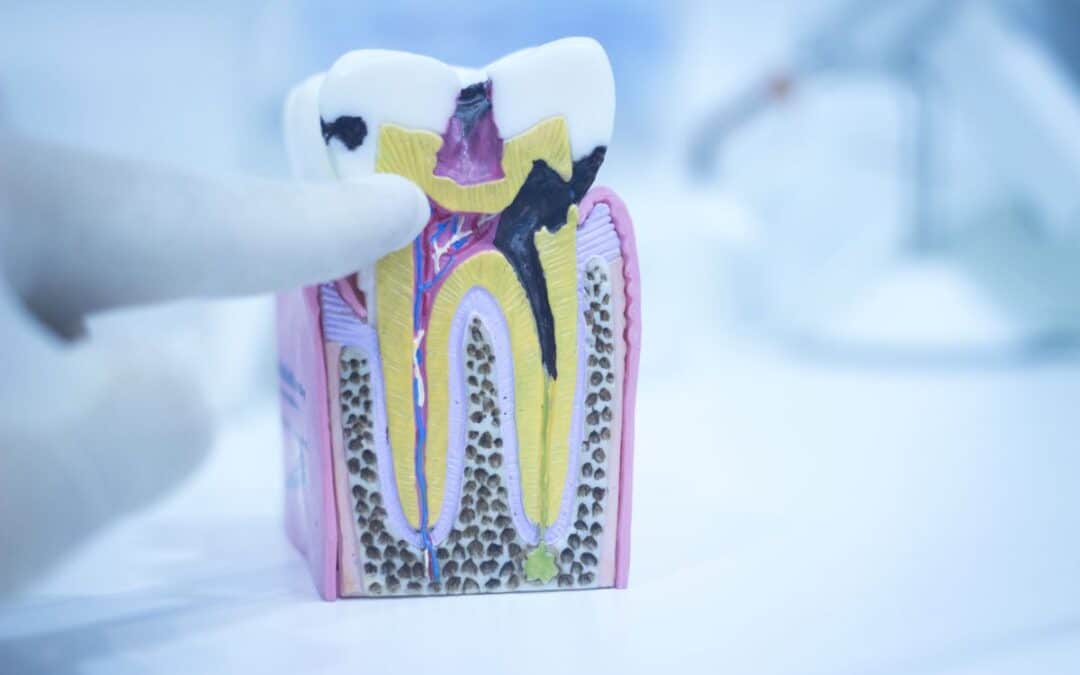
Dental discomfort is one of those things many of us hope will go away on its own. However, ignoring persistent oral pain or unusual sensations could mean overlooking a deeper issue, such as the need for a root canal. While the phrase might sound intimidating, a root canal is a common and straightforward procedure that can save your tooth and relieve your pain.
3 Signs You Need Root Canal Treatment
1. Persistent Pain That Won’t Quit
Everyone experiences occasional tooth sensitivity, but if you’re dealing with constant, sharp, or throbbing pain, it could be a sign that something isn’t right. Pain that lingers, even when you’re not eating or drinking, might indicate that the pulp inside your tooth is inflamed or infected. This discomfort can often radiate to your jaw, face, or even down your neck, making everyday activities like talking and chewing increasingly difficult.
The cause could range from deep decay to repeated dental procedures on the same tooth. Rather than masking the pain with over-the-counter remedies, it’s crucial to consult with a dentist who can pinpoint the problem and recommend the right treatment.
2. Sensitivity to Hot or Cold That Lingers
It’s not unusual to feel a little zing when you sip a cold drink or bite into a hot meal. But if the sensitivity lingers long after you’ve stopped eating or drinking, it’s worth paying attention to. This prolonged reaction could mean that the nerves in your tooth are damaged or infected.
Whether it’s a warm cup of coffee or a scoop of ice cream, this lingering sensitivity often signals that your tooth’s inner layer has been compromised. Addressing it early can help preserve your natural tooth and prevent further complications.
3. Swollen or Tender Gums Around the Problem Tooth
Healthy gums are typically firm and pink, so if you notice swelling, tenderness, or unusual redness around a specific tooth, it could be your body signaling a deeper issue. In some cases, a small pimple-like bump may even appear near the affected area, known as a dental abscess. This bump may release pus, leaving a bad taste in your mouth or causing an unpleasant odor.
Gum swelling is often accompanied by pressure or discomfort, making it difficult to chew or brush. Left untreated, the infection causing the inflammation can spread, potentially affecting other areas of your mouth or even your overall health.
When to See a Dentist
These symptoms don’t necessarily mean you will need a root canal, but they’re clear indicators that something is wrong and requires professional attention. A dentist will carefully evaluate your condition, often using X-rays to determine the extent of the problem and decide on the best course of action.
Root canals have come a long way from the fear-inducing procedures of the past. Modern techniques and anesthesia make the process relatively painless, and the relief afterward is well worth it.
Get Root Canal Treatment as Soon as Possible
Ignoring dental issues only gives them time to worsen, so don’t wait to seek help. If you’re experiencing any of these signs, contact us today at 918-673-2601 to schedule your root canal appointment. We are here to provide personalized, compassionate care and get you back to smiling confidently and pain-free.
Related blog: Root Canal Therapy: Understanding the Procedure