
Teeth whitening has become a popular way to achieve a bright, confident smile. But with so many options available, how do you choose the safest method? In this article, we’ll explore various teeth whitening techniques, from professional treatments to at-home solutions, and help you determine the safest way to achieve those pearly whites.
The Basics of Teeth Whitening
Teeth whitening is a cosmetic procedure that lightens the color of your teeth by removing stains and discoloration. It’s a simple yet effective way to enhance your smile. Whether it’s caused by aging, coffee, or tobacco, teeth staining can be a thing of the past with the right approach.
Common Causes of Teeth Staining
Stains on your teeth can be caused by various factors, including the food and beverages you consume, smoking, and even certain medications. Understanding these causes helps in choosing the right whitening method and maintaining your results.
Professional Teeth Whitening
In-Office Whitening Treatments
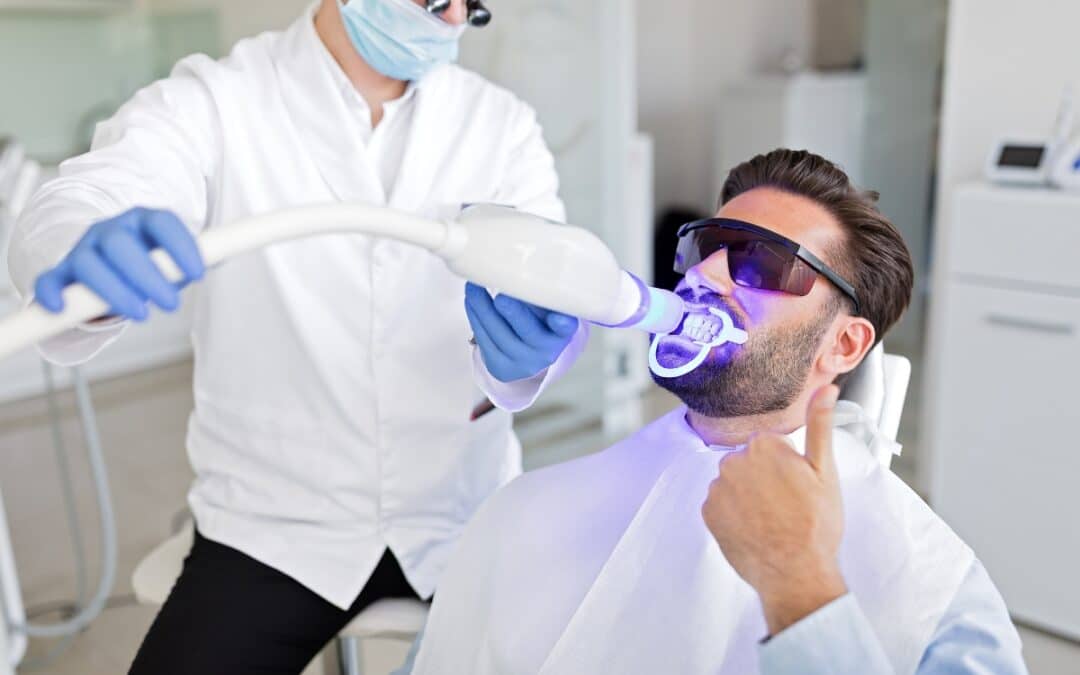
One of the safest and most effective ways to whiten your teeth is by visiting your local dentist for an in-office whitening treatment. This method uses a higher concentration of bleaching agents, providing quicker and more dramatic results under the supervision of a dental professional.
Benefits of Professional Whitening
The primary benefit of professional whitening is the customized care you receive. Your dentist can tailor the treatment to your specific needs, ensuring both effectiveness and safety. This level of care minimizes the risk of sensitivity or gum irritation.
Customized Care for Safe Results
Professional whitening ensures that your teeth and gums are protected throughout the process. Your dentist will apply protective barriers and monitor the treatment closely, reducing any potential risks associated with whitening.
At-Home Teeth Whitening Kits
Over-the-Counter Whitening Strips and Gels
If you’re looking for a convenient option, over-the-counter whitening strips and gels are popular choices. These products are generally safe when used as directed, but they often require consistent use over several weeks to see noticeable results.
Custom-Fit Whitening Trays
Some dentists offer custom-fit whitening trays that you can use at home. These trays are designed to fit your teeth perfectly, allowing for even application of the whitening gel. This method is safer than generic over-the-counter kits, as it reduces the risk of uneven whitening and gum irritation.
Are At-Home Kits Safe?
While at-home whitening kits are generally safe, they come with some risks if not used correctly. Overuse or improper application can lead to tooth sensitivity or damage to your gums. It’s always best to consult your dentist before starting any at-home whitening regimen.
Natural Teeth Whitening Methods
Baking Soda and Hydrogen Peroxide
Some people turn to natural remedies like baking soda and hydrogen peroxide for whitening. While these methods can be effective, they should be used with caution. Overuse can erode your enamel, leading to sensitivity and other dental issues.
Oil Pulling
Oil pulling is an ancient practice that involves swishing oil (like coconut oil) in your mouth to remove stains. Although it’s a gentle and natural method, its effectiveness is limited, and it should not replace professional treatments.
Risks of Natural Whitening Methods
Natural whitening methods may seem appealing, but they aren’t without risks. Incorrect usage or overuse can lead to enamel erosion or gum irritation. It’s essential to approach these methods with caution and consider consulting with a local dentist for safer alternatives.
Lifestyle Tips for Maintaining White Teeth
Dietary Habits
Maintaining a white smile isn’t just about whitening; it’s also about preventing new stains. Avoiding stain-causing foods and beverages like coffee, tea, and red wine can help keep your teeth looking their best.
Regular Dental Check-Ups
Regular visits to your dentist for cleanings and check-ups are crucial in maintaining your whitening results. Your dentist can remove surface stains and provide touch-up treatments as needed.
Common Misconceptions About Teeth Whitening
Whitening Toothpaste Effectiveness
Whitening toothpaste can help remove surface stains but won’t change the natural color of your teeth. It’s a great tool for maintaining results after a professional whitening treatment but shouldn’t be relied upon for significant whitening.
Can Whitening Damage Your Teeth?
A common misconception is that whitening damages your teeth. When done correctly, either by a professional or with safe at-home methods, teeth whitening is entirely safe. However, overuse or incorrect application can lead to sensitivity and other issues.
When to See an Emergency Dentist
Signs of Whitening Overuse
If you experience severe sensitivity, pain, or discoloration after whitening, it may be a sign of overuse. In such cases, it’s crucial to seek help from an emergency dentist to prevent further damage.
Dealing with Sensitivity or Pain
Sensitivity is a common side effect of teeth whitening, but it shouldn’t be extreme or long-lasting. If you encounter persistent pain or sensitivity, it’s essential to visit a dental office for evaluation and appropriate care.
Choosing the Right Whitening Method
Consulting with a Local Dentist
Before starting any whitening treatment, it’s wise to consult with a local dentist. They can assess your dental health and recommend the safest and most effective whitening options tailored to your needs.
Personalized Treatment Plans
A dentist can create a personalized treatment plan that considers your unique situation, such as any existing dental work or sensitivity. This approach ensures that you achieve the best results with minimal risk.
Conclusion
Whitening your teeth is a safe and effective way to boost your confidence when done correctly. Whether you opt for professional treatments, at-home kits, or natural methods, understanding the risks and benefits of each option is crucial. Always consult with your dentist to choose the best and safest method for your smile.